

Amla Benefits and How to Grow Indian Gooseberry: The Superfood Guide
“Discover the health benefits of Amla and learn how to grow this vitamin C-rich superfood at home with this complete guide.”
Amla, also known as Indian Gooseberry, is a global superfood renowned for having 20 times more Vitamin C than an orange. You can grow Amla at home by planting grafted saplings in a sunny spot with well-draining soil, where it develops into a hardy tree that supports immunity, hair growth, and anti-aging. While native to subtropical regions, Amla has gained worldwide popularity in 2026 as a key ingredient in organic wellness and clean-label beauty products.
Whether you are looking for Amla health benefits to improve your diet or want to know how to grow Indian Gooseberry in a pot, this versatile plant is a must-have for any health-conscious gardener. From the humid gardens of Southeast Asia to sunny backyards in California and Florida, the benefits of Amla for hair and skin are recognized globally. This guide provides practical steps to master Amla tree care and integrate this ancient fruit into your modern lifestyle.
Quick Guide to Growing Amla at Home
- Choose grafted varieties like 'Banarasi' or 'NA-7' for faster fruiting
- Provide 8–10 hours of full, direct sunlight daily
- Use a large, deep container (at least 20 inches) if planting in a pot
- Water deeply but allow the soil to dry between sessions
- Apply organic compost or aged manure every 6 months
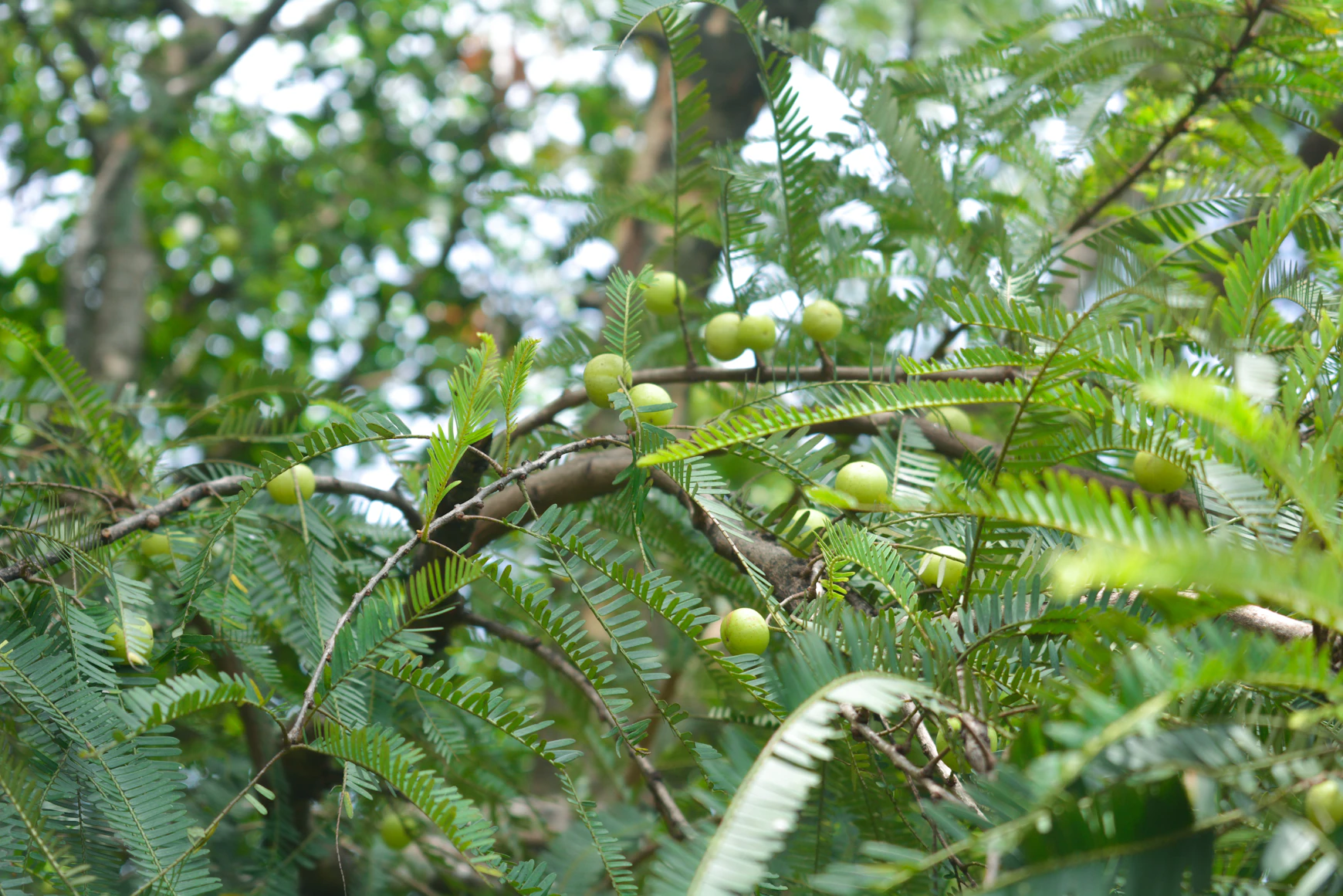
Step-by-Step Guide: How to Grow Indian Gooseberry
Follow these steps to successfully start growing Amla at home, regardless of your location:
- Choose Your Plant: Growing from seeds is slow and unpredictable. Purchase a 1-year-old grafted sapling from a reputable nursery to ensure fruit production within 3 years.
- Soil Preparation: Amla thrives in loamy soil with a pH of 6.5 to 8.0. If your soil is too acidic, add a bit of lime; if too alkaline, use peat moss or coffee grounds.
- Planting Technique: Dig a hole twice the size of the root ball. Place the sapling, fill with soil mixed with compost, and mulch the base to retain moisture.
- Pruning: In the first 2 years, prune the lower branches to create a strong main trunk. This helps the Indian Gooseberry tree support heavy fruit loads later.

Top 5 Global Health Benefits of Amla
The benefits of Indian Gooseberry are backed by both traditional wisdom and modern science:
- Natural Immunity Booster: One small Amla fruit provides the daily requirement of Vitamin C for an adult, strengthening the immune system globally.
- Hair and Scalp Health: Amla oil is a world-famous remedy for preventing premature graying and promoting thick, shiny hair growth.
- Anti-Aging Properties: High levels of antioxidants fight free radicals, reducing fine lines and keeping skin glowing naturally.
- Blood Sugar Regulation: Chromium in Amla aids in glucose metabolism, making it a supportive fruit for managing diabetes.
- Improved Digestion: Its high fiber content helps in regular bowel movements and acts as a natural detoxifier for the liver.
Common Mistakes in Amla Tree Care
Avoid these common issues when growing Amla at home:
- Poor Drainage: Amla is drought-tolerant but cannot survive 'wet feet.' Always ensure your pot has large drainage holes to prevent root rot.
- Lack of Sunlight: If the tree is in the shade, it will grow leaves but won't produce flowers or fruit. Full sun is non-negotiable.
- Neglecting Winter Care: While hardy, young Amla trees should be protected from extreme frost in colder global climates using burlap wraps or frost blankets.
Expert Tips for a Massive Amla Harvest
- Zinc and Boron: If your fruits are dropping early, the soil might lack micronutrients. Use a seaweed-based foliar spray to correct this naturally.
- Thin the Fruit: If the tree is overloaded, remove a few small fruits. This allows the remaining Indian Gooseberries to grow larger and juicier.
- Harvesting Time: Pick the fruits when they turn from light green to a dull, yellowish-green color. This is when the Vitamin C content is at its peak.
- Smart Watering: For large trees, consider a drip irrigation system to keep the deep roots hydrated during dry spells.
Frequently Asked Questions
Q. How to grow Amla plant faster?
Answer: To grow an Amla plant faster, always start with a grafted sapling, provide 8-10 hours of full sun, and use a phosphorus-rich organic fertilizer like bone meal during the spring.
Q. Why is my Amla tree not fruiting?
Answer: An Amla tree may not fruit due to insufficient sunlight, lack of cross-pollination (some varieties need a companion), or being too young (seedlings can take 7-10 years to fruit).
Q. What are the benefits of Amla for hair?
Answer: Amla is rich in essential fatty acids and carotene, which strengthen hair follicles, reduce hair fall, and act as a natural conditioner to prevent dandruff.
Q. How often should I water my Amla tree?
Answer: You should water a young Amla tree twice a week. Once the tree is mature and established, it only needs watering during extreme droughts or very dry summers.
Summary: The Ultimate Health Tree
Whether you are consuming it for its **immune-boosting properties** or **growing Amla at home** as a beautiful landscape tree, the Indian Gooseberry is a true global asset. By managing your **soil pH**, ensuring **maximum sunlight**, and using **organic fertilizers**, you can enjoy this superfood right from your backyard. If you're new to gardening, see our beginner's guide for more foundation tips. Start your Amla journey today! For more natural growth hacks, check our plant growth guide.
Share this Update
Related Guides

Plants That Survive Without Sunlight: Myth vs. Truth Revealed
Can plants live in total darkness? We debunk the myth that plants survive without sunlight and reveal the truth about low-light survivors for your home.

Pet-Safe Plants: How to Keep Your Home Green and Your Furry Friends Safe
Love your plants and your pets? Learn how to curate a stunning indoor garden with pet-safe plants, and find out which common household plants you should avoid to keep your furry friends healthy.

Why Indoor Plants Grow Slowly (And 5 Expert Ways to Speed It Up)
Tired of waiting for your plants to grow? Learn the hidden reasons why indoor plants grow slowly and 5 expert-backed tips to trigger faster, healthier growth today.