

Overwatering vs underwatering (how to identify)
“Stop the guessing game! Learn the 5 key differences between overwatering and underwatering to save your plants from the April 2026 heat.”
How can I tell if my plant is overwatered or underwatered?
The fastest way to tell the difference is to check the leaf texture and soil moisture: overwatered leaves feel soft, limp, and mushy with wet soil, while underwatered leaves feel dry, crispy, and brittle with bone-dry soil. In the intense April 2026 summer of Surat and Mumbai, both issues can cause wilting, but the solution for one will kill the other. Identifying whether your vriksh is drowning or thirsty is the most critical skill for maintaining a low-maintenance indoor garden this year.
As of April 2026, Google Trends India shows a 'Breakout' search for "yellow leaves overwatering vs underwatering." With temperatures hitting 42°C, many beginners panic-water their plants, leading to widespread root rot. Whether you are a developer managing an office green tree or a homeowner, mistaking heat-stress for thirst can lead to the silent death of your air-purifying plants. Understanding the 'Leaf Language' is essential before the 2026 monsoon humidity adds another layer of complexity.
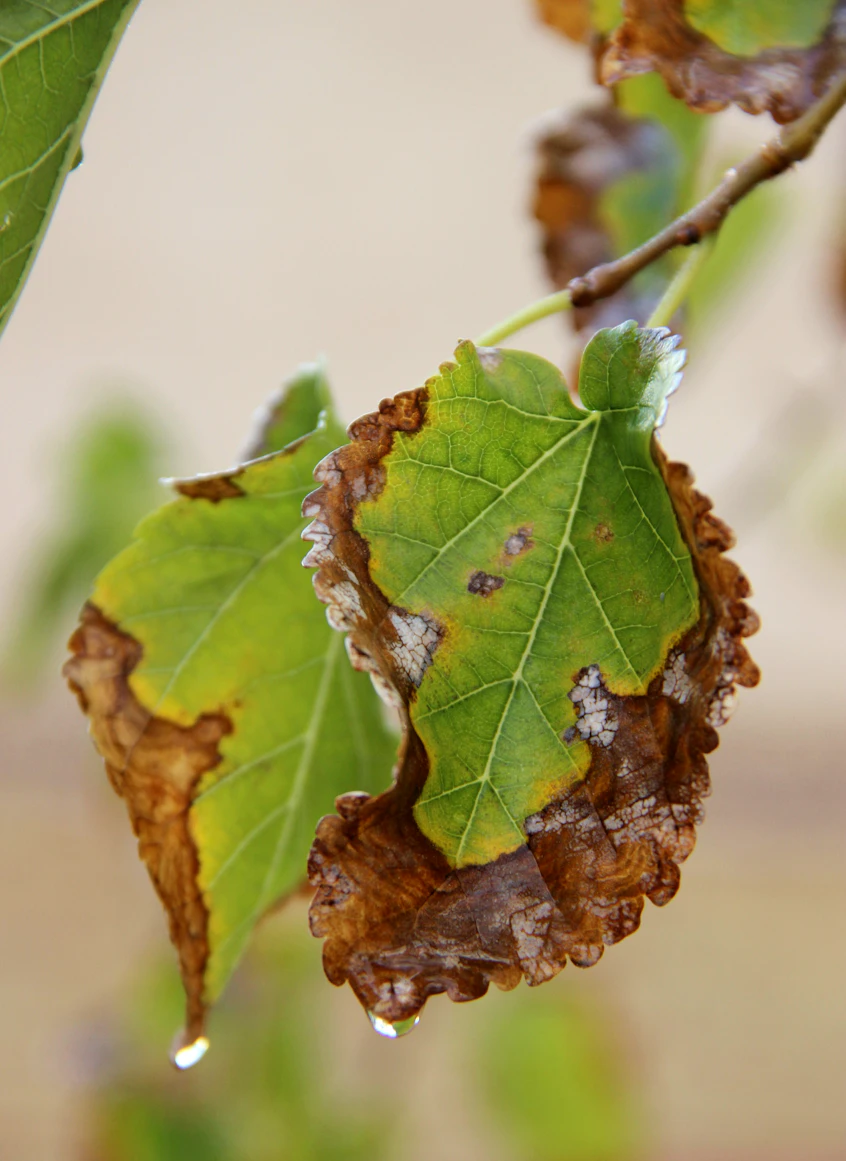
The 2026 Cheat Sheet: Identifying the Symptoms
In 2026, we categorize plant stress into two distinct 'Vibes.' Use this table to diagnose your vriksh instantly:
| Feature | Overwatered (Root Rot) | Underwatered (Dehydrated) |
|---|---|---|
| Leaf Texture | Soft, limp, and mushy | Dry, crispy, and brittle |
| Leaf Color | Yellowing from the bottom up | Brown edges or tips first |
| Soil State | Soggy, wet, or smells sour | Bone-dry, pulling from edges |
| Stems | Mushy or dark brown/black | Weak, drooping, but dry |
Q. Technical Deep Dive: Turgor Pressure and Anoxia
The science behind wilting is fascinating. In an underwatered plant, the lack of water causes a loss of **Turgor Pressure**—the internal water pressure that keeps cells rigid. The plant collapses like an empty balloon. However, in an overwatered plant, the roots suffer from **Anoxia** (lack of oxygen). The roots literally suffocate and rot, becoming unable to transport water to the leaves. This is why an overwatered plant looks thirsty even though it's sitting in water. [Image showing healthy white roots vs mushy black rotted roots]
To prevent these issues in April 2026, maintain a soil pH of 6.5. In the alkaline water of Surat, root rot progresses faster because high pH favors fungal growth. If you find your plant is overwatered, stop using liquid fertilizers immediately, as the salts will further damage the struggling roots. Instead, increase airflow and consider repotting in a 'chunky' mix with 30% perlite for better drainage.

Q. Pro-Tip: The 'Chopstick & Weight' Method
A major 2026 gardening hack is the Chopstick Test. Insert a wooden chopstick 2 inches into the soil. If it comes out dark and damp with soil clinging to it, do not water. If it comes out clean and dry, your plant is thirsty. Additionally, learn the 'Weight of Water.' Pick up your pot after a heavy watering and then again when it's dry. In a few weeks, you'll be able to tell if your balcony plants need a drink just by lifting them slightly!
Frequently Asked Questions
Q. Why are my plant leaves turning yellow?
Answer: Yellow leaves are usually a sign of overwatering, which suffocates the roots and prevents the plant from taking up essential nutrients like nitrogen.
Can a plant recover from root rot?
Answer: Yes, a plant can recover from root rot if you act quickly by trimming the mushy black roots and repotting in fresh, dry soil.
Q. How do I know if my soil is too wet?
Answer: Soil is too wet if it smells sour, has green algae on the surface, or feels soggy more than 3 days after watering.
Do underwatered plants bounce back quickly?
Answer: Yes, most underwatered plants will perk up within a few hours after a deep, thorough watering that rehydrates the root ball completely.
Are yellowing leaves always caused by watering?
Answer: Not always; yellowing can also be caused by low light or nutrient deficiencies, which we cover in our yellow leaves fix guide.
Q. What is the best way to water a very dry plant?
Answer: Use bottom watering by placing the pot in a tray of water for 30 minutes, allowing the dry soil to soak up moisture from the bottom.
Summary: Master the Art of Watering
Becoming a 'Plant Whisperer' in 2026 starts with knowing when to put the watering can down. By observing leaf texture, checking the soil moisture with the chopstick test, and maintaining a stable soil pH, you can avoid 90% of plant deaths in Surat and Mumbai. If your vriksh is already showing signs of trouble, refer to our comprehensive troubleshooting guide. Don't let the April heat trick you into drowning your greens—water smart and grow strong! For automated precision, see our Smart Gardening guide.
Share this Update
Related Guides

8 Biggest Beginner Mistakes in Indoor Gardening (And How to Fix Them)
Stop killing your plants! Discover the 8 most common beginner mistakes in indoor gardening and the simple fixes to keep your green sanctuary alive and thriving.
Pre-Monsoon Checklist: 5 Things Every Indian Gardener Must Do in May
Don't let the rains ruin your hard work! Follow our 2026 pre-monsoon checklist for Indian gardeners to prepare your balcony and backyard for the heavy May and June showers.

DIY Organic Pesticide: How to Get Rid of Mealybugs and Aphids Forever
Stop pests from destroying your garden! This DIY organic pesticide guide shows you how to kill mealybugs and aphids naturally without harsh chemicals.