
Drones in Agriculture: Are They Worth It for Small Farmers in India?
“Is drone tech for everyone? We analyze if agricultural drones are a smart investment for small-scale farmers in India, covering costs, benefits, and government support.”
Agricultural drones are transforming the way crops are managed in India, but for small-scale farmers, the feasibility depends on cost-sharing models, rental services, and government subsidies rather than individual ownership. In 2026, drone technology is no longer just for large corporate estates; it is entering the mainstream agricultural discourse. However, for a farmer with less than 2-3 acres, buying a drone remains a significant financial step compared to the traditional, manual labor methods.
Understanding the role of drones in agriculture is essential for staying competitive in the modern age. As we integrate more tech into our lives—from Smart Gardening to advanced weather monitoring—drones offer a bird's-eye view that can drastically reduce the use of pesticides and water. But is this tech a 'must-have' or a 'nice-to-have' for the average Indian farmer? Let’s break down the reality.
The Real Benefits of Drone Technology
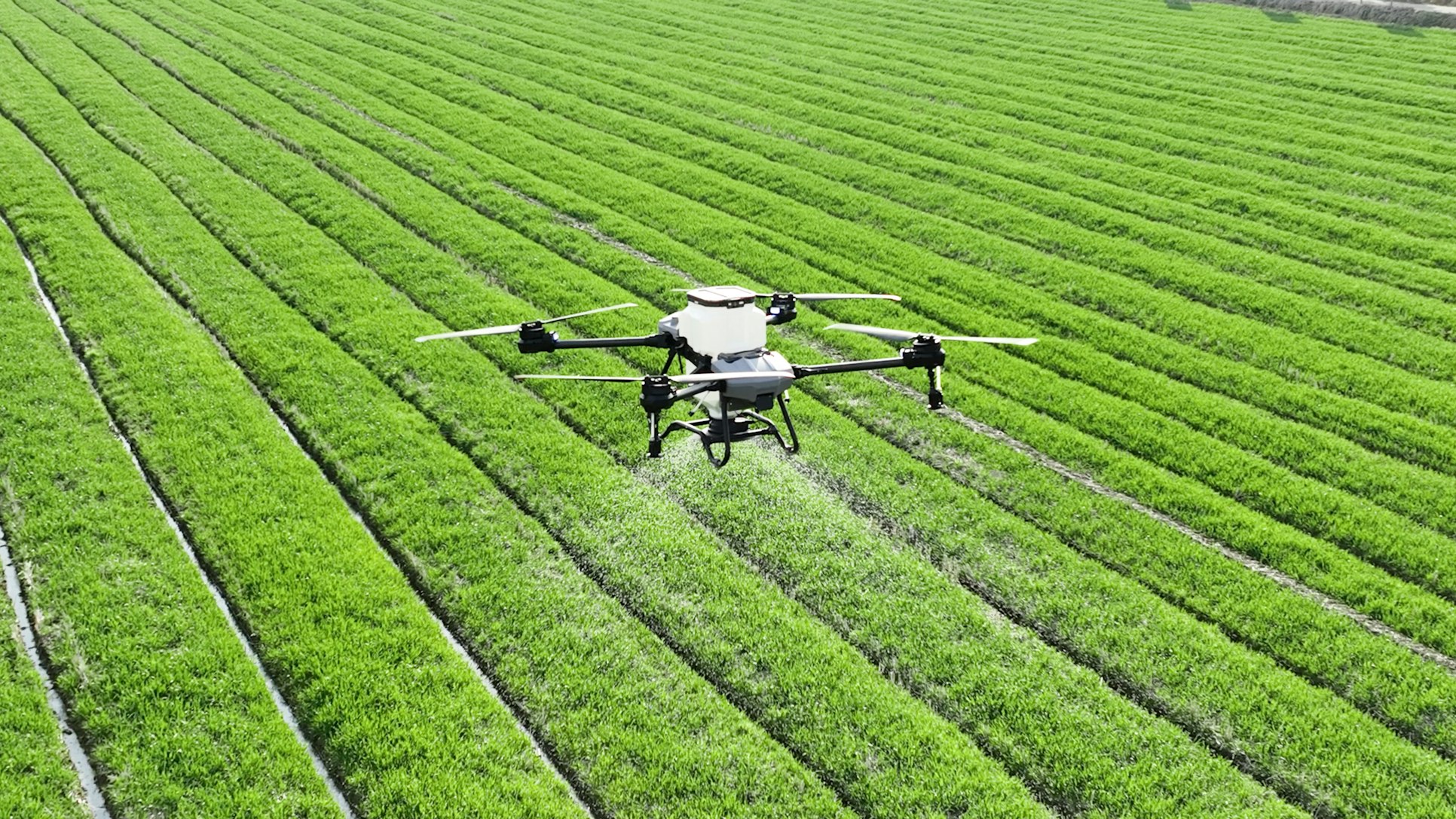
Drones are not just remote-controlled toys; they are sophisticated data collectors and sprayers:
- Precision Spraying: Drones can target specific areas of a field, reducing pesticide waste by up to 30-40% compared to traditional boom sprayers.
- Health Mapping: Multispectral cameras can detect plant stress, nutrient deficiencies, or pest outbreaks days before they are visible to the human eye.
- Speed and Efficiency: A drone can cover acres of land in a fraction of the time it takes for a manual laborer to walk through the rows.
- Safety: By automating the spraying of fertilizers and pesticides, farmers reduce their direct exposure to toxic chemicals.
The Economic Challenge for Small Farmers
While the benefits are clear, the cost of agricultural drones is a major barrier. An entry-level industrial drone can cost anywhere from ₹3 to ₹7 Lakhs. For a small farmer in India, this is a massive capital expenditure. This is why the 'Custom Hiring Center' (CHC) model is becoming the primary way small farmers access this technology. Rather than buying, farmers can hire a certified drone pilot to perform the spraying service for a nominal fee per acre.

Government Support and Subsidies
The Government of India is actively promoting drone usage to modernize the sector. Through various schemes, farmers and Farmer Producer Organizations (FPOs) can receive subsidies ranging from 40% to 100% on the cost of drones. FPOs, in particular, are finding that owning a drone and renting it out to their members is a sustainable way to bring this tech to the grassroot level without individual financial strain.
Common Myths vs. Reality
- Myth: "Drones will replace human
labor."
Reality: Drones are tools. They still require a skilled pilot to operate and ground teams to manage supplies and maintenance. They shift labor from 'manual labor' to 'skilled technical labor.' - Myth: "You need a giant farm to use a drone."
Reality: While economies of scale help, drone service providers are now organizing in clusters, meaning small farmers in the same village can hire a drone for a single day to cover all their combined lands.
The Pre-Monsoon Advantage
As we prepare for the upcoming monsoon season, drones can be incredibly useful in surveying field drainage issues and identifying areas prone to waterlogging before the heavy rains start. This 'proactive mapping' can save thousands of rupees in lost crop yields.
Frequently Asked Questions
Q. Is it worth buying a drone for 2 acres of land?
Answer: Generally, no. Buying an industrial-grade drone for 2 acres is not cost-effective. It is far better to hire a Custom Hiring Center (CHC) service that charges per acre.
What are the major barriers to drone adoption in India?
Answer: The primary barriers are the high initial cost, the need for skilled pilot training, and the regulatory requirements regarding flying permits in certain areas.
Do I need a license to fly a drone on my own farm?
Answer: Yes, professional agricultural drones require the pilot to have a Remote Pilot Certificate (RPC) issued by a DGCA-approved training center.
Q. How can small farmers access drone technology cheaply?
Answer: Small farmers should form or join a Farmer Producer Organization (FPO). FPOs can apply for government subsidies to purchase drones and provide low-cost services to their members.
Conclusion: A Future-Focused Approach
Drones in agriculture are undoubtedly the future, but for the small Indian farmer, the focus right now should be on access over ownership. By leveraging FPOs and rental services, you can enjoy the precision and efficiency of 2026 technology without the heavy financial burden. Keep monitoring your field, and if you're interested in other ways to modernize your farm, check our Smart Gardening guide. Tech-driven farming is here to stay!
Share this Update
Related Guides

Plants That Survive Without Sunlight: Myth vs. Truth Revealed
Can plants live in total darkness? We debunk the myth that plants survive without sunlight and reveal the truth about low-light survivors for your home.

Pet-Safe Plants: How to Keep Your Home Green and Your Furry Friends Safe
Love your plants and your pets? Learn how to curate a stunning indoor garden with pet-safe plants, and find out which common household plants you should avoid to keep your furry friends healthy.

Why Indoor Plants Grow Slowly (And 5 Expert Ways to Speed It Up)
Tired of waiting for your plants to grow? Learn the hidden reasons why indoor plants grow slowly and 5 expert-backed tips to trigger faster, healthier growth today.