Pre-Monsoon Checklist: 5 Things Every Indian Gardener Must Do in May
“Don't let the rains ruin your hard work! Follow our 2026 pre-monsoon checklist for Indian gardeners to prepare your balcony and backyard for the heavy May and June showers.”
To prepare your garden for the Indian monsoon, you must prioritize improving pot drainage, pruning weak branches, and securing tall plants before the first heavy showers arrive in late May. While the rainy season brings life to the landscape, the sudden transition from 40°C heat to high humidity can cause 'monsoon shock' in plants. By completing this 5-step checklist, you ensure your garden in cities like Surat, Mumbai, or Delhi thrives rather than drowns during the upcoming deluge.
Following a pre-monsoon gardening checklist in India is the difference between a lush jungle and a waterlogged mess. As we move from the dry heat of May into the humid cycle of 2026, your plants face risks like root rot, fungal infections, and physical storm damage. Whether you are managing a small balcony garden or a large terrace, these May gardening tasks are essential for long-term plant health.
Quick Pre-Monsoon Checklist
- Clear Drainage Holes: Ensure no roots or soil are blocking pot exits.
- Prune for Airflow: Remove dead wood and thin out dense foliage.
- Stake Tall Plants: Use bamboo to support plants against high winds.
- Clean Your Pots: Remove algae and moss to prevent pest breeding.
- Apply Organic Compost: Fortify soil before nutrients leach away.

1. The Ultimate Drainage Audit
Waterlogging is the #1 killer of plants during the monsoon. Unlike accidental overwatering, monsoon rain provides no breaks. Check every pot to see if water flows out freely. If a pot is heavy and the topsoil is mushy, the drainage hole is likely blocked. Use a screwdriver to clear the hole or move the plant into terracotta pots, which allow the soil to 'breathe' through the walls.
2. Pruning and Trimming for Storm Resistance
High winds (the pre-monsoon 'Loo' or early storms) can snap top-heavy plants. In May, give your plants a 'neat haircut.' Removing dead or weak branches reduces the wind resistance of the plant. It also improves airflow, which is critical to prevent the fungal diseases that thrive in 90% humidity. For fast-growing species like Pothos or Bamboo, a good trim now will result in a massive growth spurt once the rains start.
3. Securing and Staking
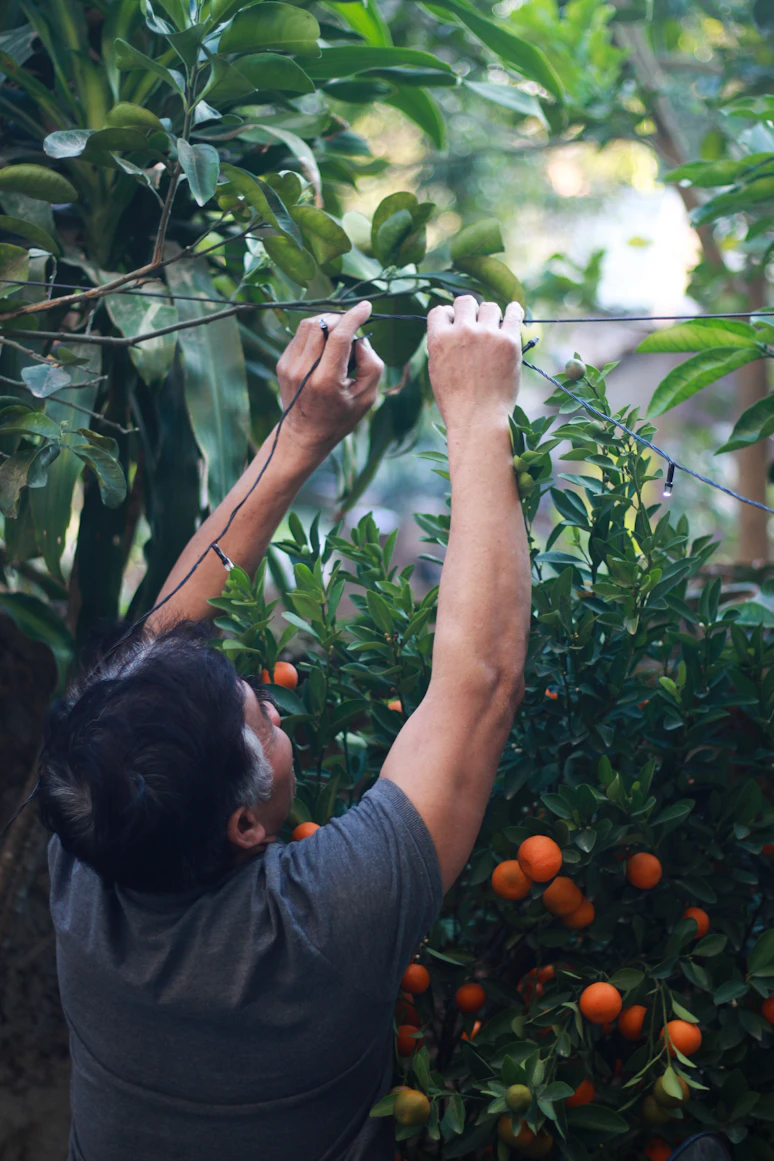
Monsoon winds in India can be unpredictable. Tall, leggy plants like Hibiscus, Rose, or young lemon trees need support. Use bamboo stakes or PVC pipes and tie them with soft jute twine. Ensure the stakes are driven deep into the soil. For balcony gardens, move your most sensitive pots away from the railing to avoid them tipping over during a heavy squall.
4. Soil Aeration and Moss Removal
During the dry heat of May, soil often becomes compacted. Use a small trowel to gently loosen the top 2 inches of soil (aeration). This allows the first rains to reach the roots instead of just running off the surface. Also, scrape away any green algae or moss that has formed. As we discussed in our guide on why indoor plants attract mosquitoes, these surfaces are perfect breeding grounds for pests during the damp season.
5. Pre-Rain Feeding (The Nutrient Boost)
Heavy rain can wash away (leach) essential nutrients from the soil. In the last week of May, apply a generous layer of organic compost or vermicompost. This slow-release food will fortify the plant’s immunity. Avoid chemical fertilizers right now, as a sudden heavy downpour will wash them out into the drain, wasting your money and potentially harming local water bodies.
Common Pre-Monsoon Mistakes
- Repotting Too Late: Avoid repotting in the middle of a heavy storm. Do it in May so the roots are stable before the rain hits. Refer to our repotting guide for the best technique.
- Leaving Pots on the Ground: Place pots on 'pot stands' or bricks. This prevents 'suction' where the pot sticks to the floor, blocking drainage.
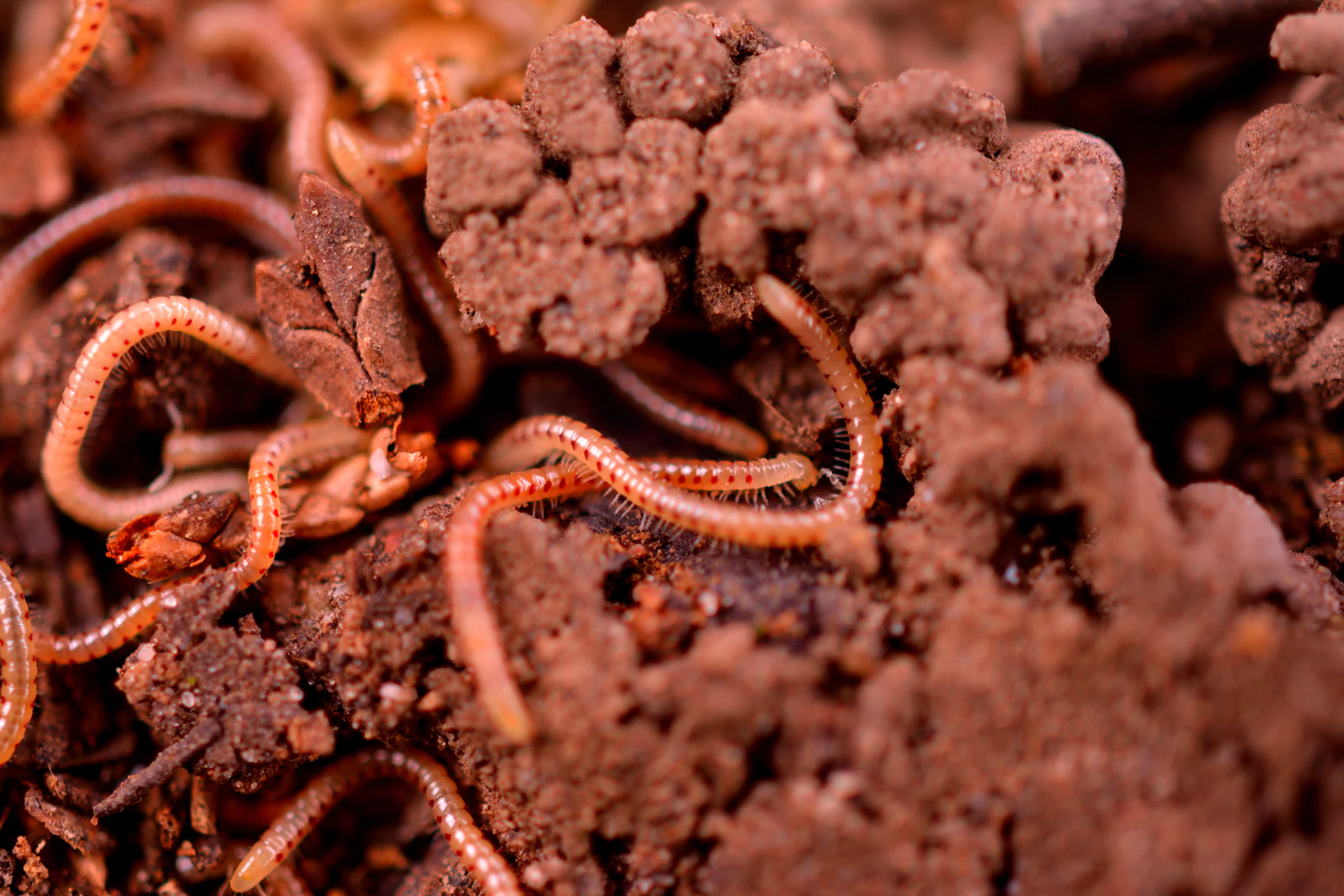
- Ignoring Pests: Pests like snails and slugs emerge with the first rain. Check your plants daily in late May and use a DIY organic pesticide if you see early activity.
Frequently Asked Questions
Q. When should I start my pre-monsoon garden prep?
Answer: The best time to start is the second or third week of May. This gives you enough time to prune, stake, and fertilize before the typical June arrival of the monsoon.
Q. Can I leave my indoor plants outside in the rain?
Answer: Yes, most indoor plants love the nitrogen-rich rainwater. However, only leave them out for 1-2 hours of light rain. Do not leave them out during heavy storms or for several days, as they may rot.
How to prevent root rot during monsoon?
Answer: Ensure your potting mix contains 20% sand for fast drainage, use pot stands to keep them off the floor, and never water your plants if it has already rained that day.
What are the best plants to grow in the monsoon?
Answer: Monsoon is the perfect time for Hibiscus, Jasmine, Coleus, and vegetables like Turmeric and Ginger, which love the high humidity and consistent moisture.
Summary: A Resilient Garden for the Rainy Season
By following this pre-monsoon checklist for Indian gardeners, you turn the challenge of heavy rain into an opportunity for growth. Focus on improving drainage, securing tall plants, and cleaning your garden space throughout May. For those in high-rise apartments, check our heat-tolerant plant guide to see which species survive the May sun best. Stay ahead of the weather and enjoy the dewy rains! For more growth hacks, see our natural growth guide.
Share this Update
Related Guides

8 Biggest Beginner Mistakes in Indoor Gardening (And How to Fix Them)
Stop killing your plants! Discover the 8 most common beginner mistakes in indoor gardening and the simple fixes to keep your green sanctuary alive and thriving.

DIY Organic Pesticide: How to Get Rid of Mealybugs and Aphids Forever
Stop pests from destroying your garden! This DIY organic pesticide guide shows you how to kill mealybugs and aphids naturally without harsh chemicals.
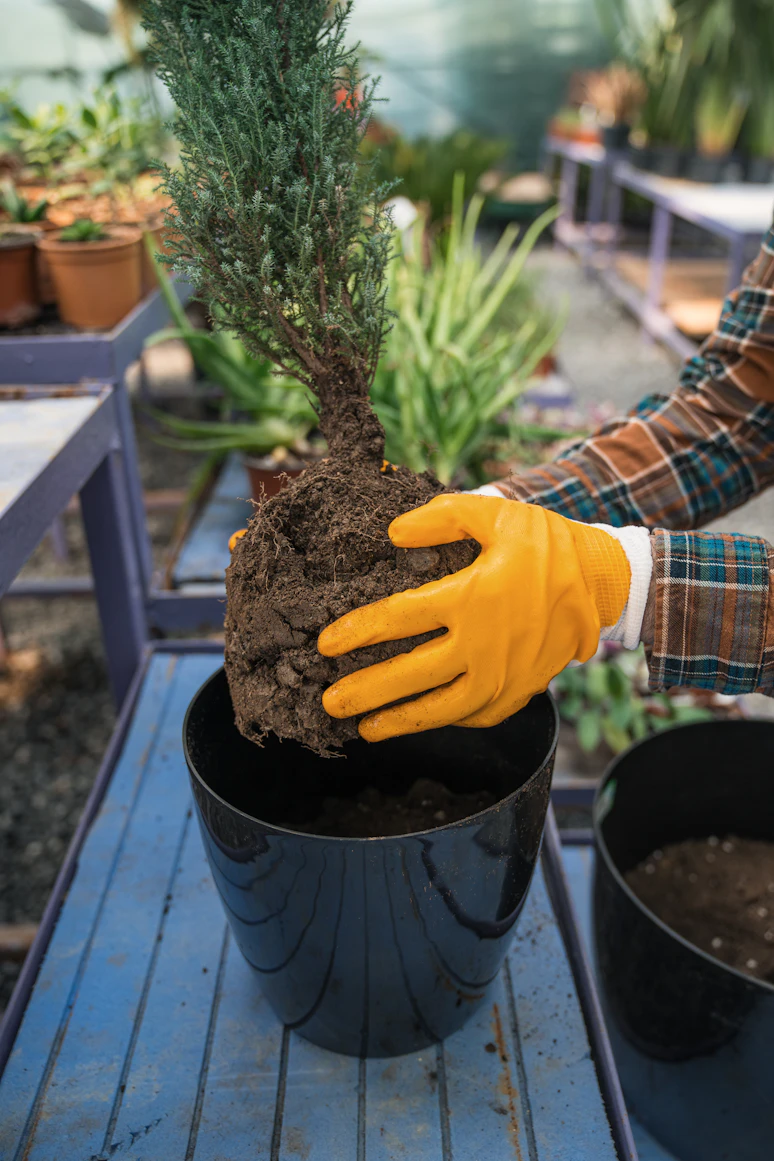
How to Repot Plants Without Killing Them: A Global Step-by-Step Guide
Afraid of transplant shock? Learn how to repot plants without killing them. This global guide covers the best timing, soil choice, and recovery tips for 2026.