
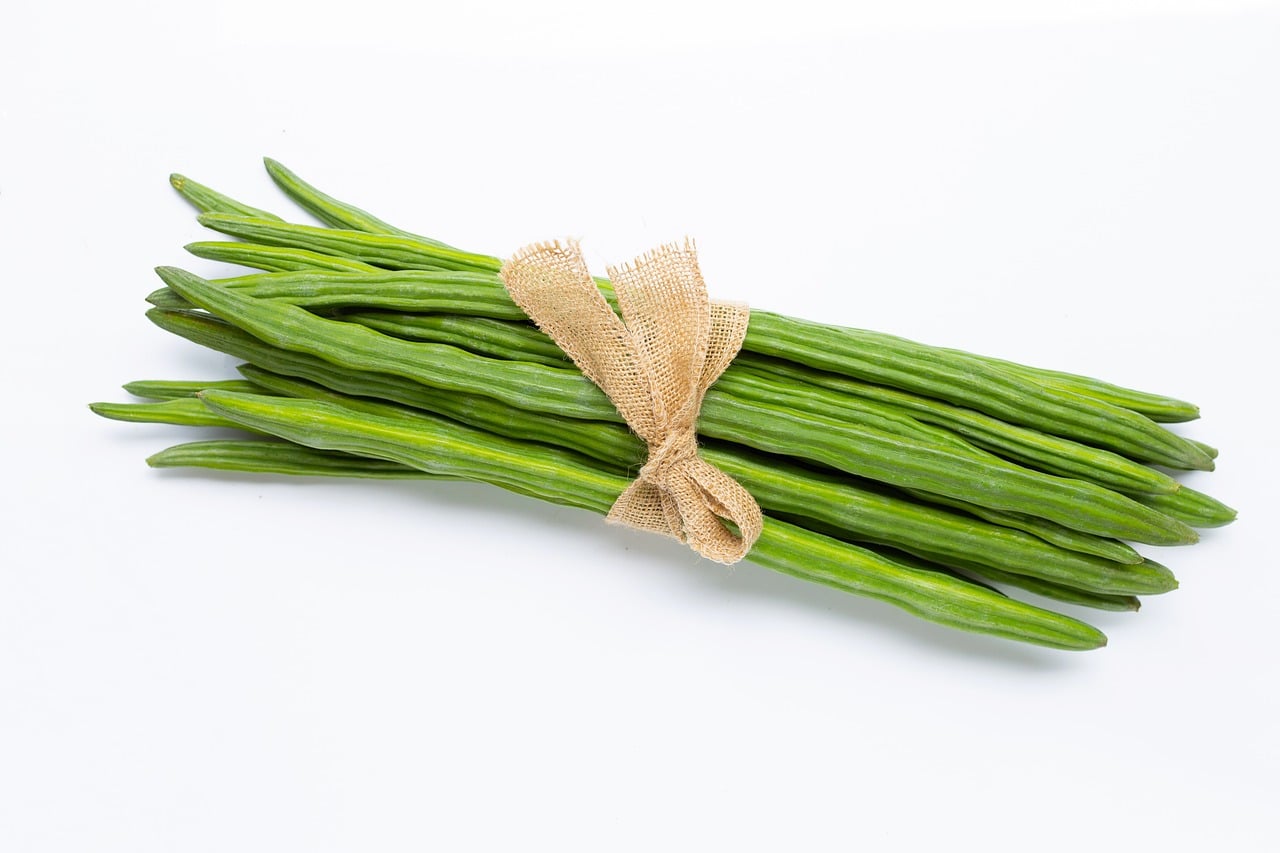
How to Grow Drumstick Plant at Home in India: The Ultimate Guide
“Master the art of growing Moringa! Learn how to grow drumstick plant at home in India, its health benefits, care tips, and who should avoid eating it.”
You can grow drumstick plant at home in India easily using high-quality seeds or branch cuttings. With full sunlight and very little water, the plant grows into a productive tree within 6 to 8 months. Known as the 'Miracle Tree' or Moringa, this plant is famous in Indian households for its nutrient-rich leaves and pods that thrive in the hot tropical climate of cities like Surat and Mumbai.
Growing a drumstick plant at home in India is one of the best ways to ensure a constant supply of superfood for your family. Whether you are planting in a large pot on a sunny balcony or in your backyard, understanding how to grow moringa in India will help you maintain a healthy tree that provides leaves, flowers, and drumsticks for years. This guide covers everything from drumstick plant care India to important safety precautions on who should not consume it.
Quick Guide to Grow Drumstick Plant
- Use fresh brown seeds or 3-foot long branch cuttings
- Provide 6–10 hours of direct, harsh sunlight
- Water sparingly; the plant is highly drought-tolerant
- Use sandy, well-drained soil to avoid root rot
- Prune the main stem at 3 feet to encourage branching
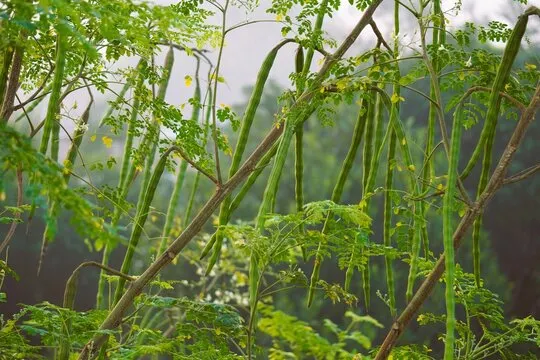
Step-by-Step Guide: How to Grow Drumstick Tree in Pot or Ground
Follow these practical steps for growing drumstick plant at home in India successfully:
- Identify the Method: Seeds are reliable, but branch cuttings (2-3 inches thick) grow much faster. If using seeds, soak them in water for 24 hours before planting.
- Prepare the Container: If growing in a pot, choose a large 15–20 inch container. Drumsticks have a deep taproot and need space to stabilize.
- Soil Mixture: Mix 60% sandy soil, 20% compost, and 20% coco-peat. Drumstick plant care India requires soil that does not hold water for long periods.
- Planting: Sow seeds 1 inch deep. If using a cutting, bury 1/3rd of the branch into the soil and firm it up. Keep it in a sunny spot immediately.
Best Conditions for Drumstick Plant Care India
The Moringa tree is incredibly hardy, but these conditions will maximize your harvest:
- Sunlight Requirements: This tree loves the heat. It can easily tolerate the 40°C+ April sun in Gujarat and Maharashtra. More sun equals more pods.
- Watering Schedule: Overwatering kills more drumstick plants than underwatering. Water only when the soil is completely dry. In monsoon, ensure the pot isn't standing in water.
- Fertilization: Use organic fertilizers like cow dung manure or homemade compost twice a year. Avoid high-nitrogen chemical fertilizers which produce leaves but no pods.
- Pruning for Bushiness: When the tree reaches 3-4 feet, cut the top off. This forces the drumstick plant at home to grow sideways, making it easier to harvest the pods later.
Health Benefits of Drumstick (Moringa)
Every part of the drumstick tree is edible and packed with nutrition:
- Leaves: Contain 7x more Vitamin C than oranges and 4x more Calcium than milk.
- Pods: High in fiber and essential minerals, great for bone health and digestion.
- Flowers: Often used in Indian snacks, they are known to improve immunity and reduce inflammation.
Who Should Not Eat Drumstick? (Safety Warnings)
While Moringa is a superfood, it is not for everyone. Whom not to eat drumstick includes:
- Pregnant Women: Avoid the bark or roots, as they can cause uterine contractions. Consult a doctor before eating leaves.
- People on Blood Thinners: Moringa is high in Vitamin K, which can interfere with blood-thinning medications.
- Diabetic Patients: Since it naturally lowers blood sugar, those already on insulin should monitor their levels closely.
- Thyroid Medication Users: Some compounds in Moringa might interfere with thyroid hormone absorption.
Common Mistakes and Troubleshooting
- Yellowing Leaves: Usually a sign of overwatering. Check our diagnosis guide to save the roots.
- No Pods: If the tree is only growing leaves, it might be getting too much nitrogen. Add wood ash or bone meal to boost Phosphorus and Potassium.
- Pests: Watch for hairy caterpillars. A simple neem oil spray once a month keeps the tree clean.
Frequently Asked Questions
Q. How to grow drumstick plant faster?
Answer: Use branch cuttings instead of seeds for faster growth. Ensure the tree gets 8+ hours of direct sunlight and use Phosphorus-rich organic manure like bone meal once a month.
Q. Why is my drumstick plant not producing pods?
Answer: A drumstick tree may not produce pods due to excessive nitrogen fertilizer, lack of direct sunlight, or if the tree hasn't been pruned to encourage flowering branches.
Q. How often to water drumstick plant?
Answer: You should water the drumstick plant only when the soil is completely bone-dry. It is a desert-friendly tree and thrives on neglect.
Can we grow drumstick tree in a pot?
Answer: Yes, you can grow a drumstick tree in a pot if you use a container at least 18 inches wide and prune the tree regularly to keep its size manageable.
Summary: The Miracle Tree in Your Garden
Successfully **growing a drumstick plant at home in India** is a rewarding experience that provides both shade and nutrition. By giving it plenty of **direct sunlight**, avoiding **overwatering**, and practicing regular **pruning**, you can have a productive Moringa tree even in a small urban space. If you're a beginner, check our beginner's gardening guide to get started. Start your Moringa journey today and enjoy the health benefits of this ancient Indian superfood! For more tips on fast growth, see our natural plant growth guide.
Share this Update
Related Guides

Plants That Survive Without Sunlight: Myth vs. Truth Revealed
Can plants live in total darkness? We debunk the myth that plants survive without sunlight and reveal the truth about low-light survivors for your home.

Pet-Safe Plants: How to Keep Your Home Green and Your Furry Friends Safe
Love your plants and your pets? Learn how to curate a stunning indoor garden with pet-safe plants, and find out which common household plants you should avoid to keep your furry friends healthy.

Why Indoor Plants Grow Slowly (And 5 Expert Ways to Speed It Up)
Tired of waiting for your plants to grow? Learn the hidden reasons why indoor plants grow slowly and 5 expert-backed tips to trigger faster, healthier growth today.