Mango vs. Coconut: Choosing the Best Big Tree for Your Space
“Should you plant a Mango or Coconut tree this month? Discover the best 'Vriksh' for your 2026 Indian garden based on soil pH and cooling power.”
Which 'Vriksh' (Tree) is better for an Indian home: Mango or Coconut?
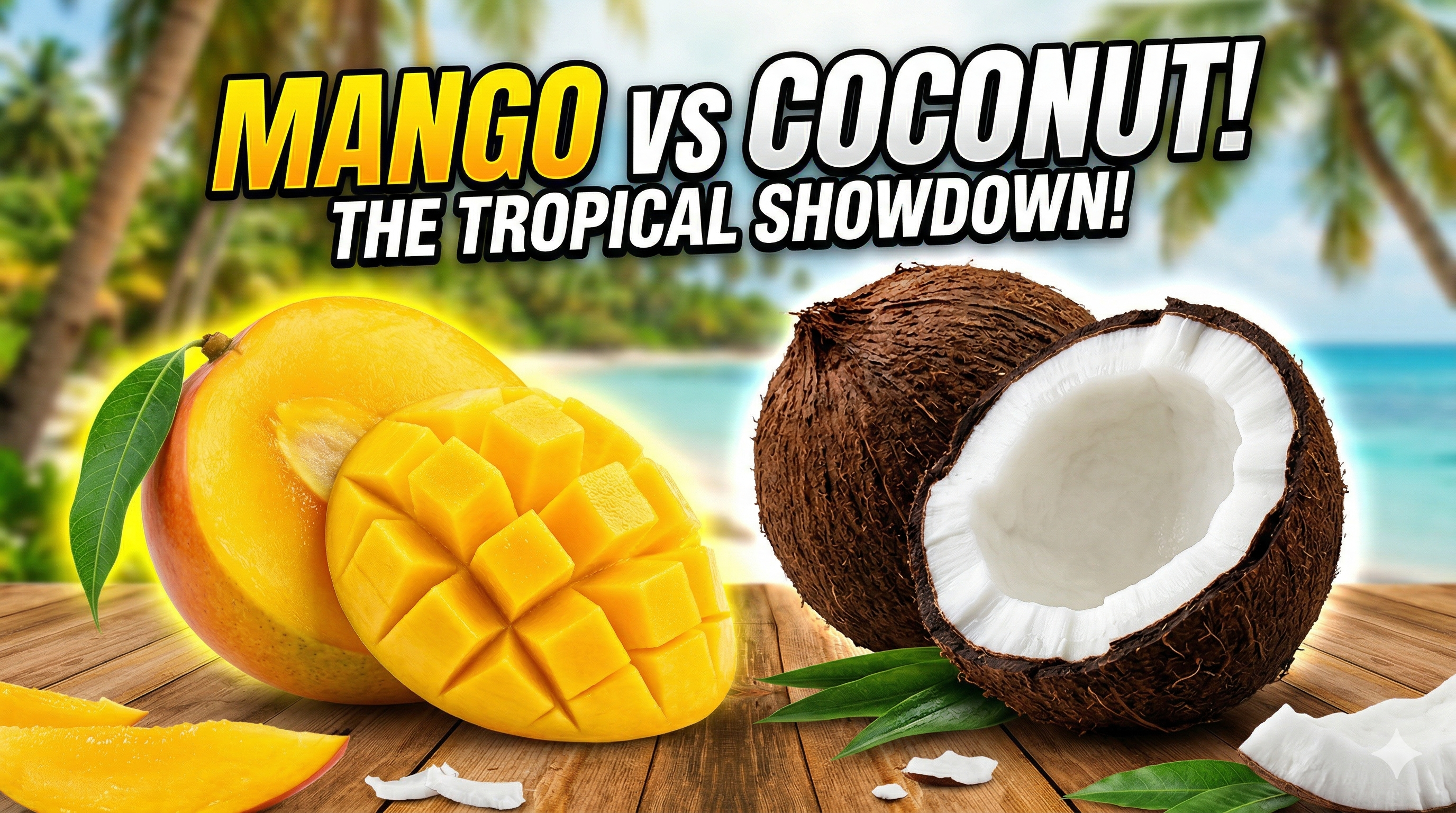
For most Indian urban homes in 2026, the Mango tree is the better choice for natural cooling due to its massive, dense canopy, while the Coconut tree is superior for narrow spaces and coastal cities like Mumbai and Surat. While both are iconic, your choice depends on whether you need a 'natural AC' (Mango) or a space-saving architectural statement (Coconut or Palm tree). Selecting the right vriksh (Tree) is the first step toward building a climate-resilient home that can withstand the rising temperatures we are seeing this March.
As we analyze the Google Trends for March 2026, it's clear that interest in the National Tree of India (Banyan) and traditional fruit-bearing trees is surging. People are moving beyond tiny succulents and looking for a big tree that can provide real ecological value and long-term sustainability. In cities where the concrete heat is becoming unbearable, planting a Mango tree or a Banyan tree isn't just about the fruit or tradition—it's about survival and creating a breathable 'green tree' pocket in an urban jungle.

Q. The Power of the Mango Tree (Mangifera Indica)
The Mango tree is trending for a reason. In the high-UV environment of 2026, its leathery, dark green leaves are masters of light absorption. A 10-year-old Mango tree can lower the ground temperature beneath it by up to 5°C. This is the 'Vriksh' meaning in Hindi in its truest sense: a provider of life, shelter, and cooling shade. When you search for mango tree images, you'll notice the umbrella-like structure that effectively blocks solar radiation from hitting your home's walls.
- The Canopy Effect: Unlike the Palm tree, which has a thin top, the Mango tree creates a thick, multi-layered dome. This makes it the perfect 'Natural AC' for west-facing bungalows in Surat.
- Soil pH sensitivity: Mangoes prefer a slightly acidic to neutral soil (pH 5.5 to 7.0). If you have alkaline city water, you must monitor your plant's leaf health for signs of iron deficiency, which often appears as yellowing between the veins.
- Vriksh (Tree) Maintenance: During the first three years, tree plantation success depends on consistent deep watering to establish the taproot.
Q. The Rise of the Coconut and Palm Tree
Search interest in Coconut trees and Palm trees has seen a steady rise this month, especially for tree drawing and architectural inspiration. These trees are the 'skyscrapers' of the plant world. If you have a small plot or a very narrow backyard in a city like Mumbai, a Coconut tree is your best friend because it grows vertically without taking up much horizontal 'real estate.' They offer a tropical aesthetic that fits perfectly with modern 2026 home designs.
Q. Technical Deep Dive: Wind Resistance and Root Structure
Why do Palm trees survive cyclones while Banyan trees sometimes topple? It comes down to their biological engineering. Palms are monocots; they don't have a single deep taproot but thousands of thin, cable-like roots that anchor them into the soil like a tent. This allows them to sway in the high-velocity March winds without snapping. Furthermore, they use efficient water transport through their vascular bundles, making them more drought-resistant than a Pine tree or an Oak tree in the tropical heat of Gujarat.
In contrast, the Banyan tree, our national tree of India, uses aerial roots to create a massive footprint. While it is the ultimate green tree for carbon sequestration, its roots can easily uplift foundations if planted too close to a structure. Understanding the tree meaning in Hindi—where 'Vriksh' (Tree) represents a pillar of the ecosystem—helps us realize that the Banyan is meant for community spaces, while the Coconut is the king of the urban balcony or small yard.

Q. Pro-Tip: The 'Neem-Mango' Companion Strategy
To maximize the tree plantation effect, don't plant just one species. In the 2026 gardening landscape, we recommend the Neem-Mango pairing. Planting a Neem tree slightly to the windward side of your Mango tree acts as a natural pest repellent. The Azadirachtin in the Neem leaves deters aphids and fruit flies that often plague Mango blooms in late March. This is a classic example of Indian horticulture wisdom updated for modern urban plots where space is a premium but biodiversity is a necessity.
Q. The Cultural Significance of the 'Tree of Life'
The term 'Tree of life' is trending again in 2026, reflecting a deeper cultural connection to our greenery. Whether it's the Banyan tree in a temple courtyard or a Bamboo tree in a modern flat, these plants are more than just decor. They represent vriksh (Tree)—the bridge between the earth and the sky. In the current climate, 'Save Trees' isn't just a slogan; it's a call to action. Even if you only have space for a Bonsai tree, you are contributing to the urban canopy and helping to mitigate the heat island effect.
Q. Common Challenges: Tree Cutting and Urban Legality
Before you start your tree plantation journey, be aware of tree cutting laws in cities like Surat and Mumbai. Once a tree reaches a certain height, you may need municipal permission for heavy pruning. This is why choosing the right size at the start—like a dwarf Banana tree or a specific Palm tree variety—is critical. If you see your tree's growth stalling, it might be due to tree photo-sensitivity or poor drainage. Always ensure your large planters have at least three drainage holes to avoid root rot during the monsoon transition.

Q. Summary: Which one should you pick for 2026?
If you want a big tree for shade, cooling, and the joy of summer harvests, go for the Mango. If you want a green tree that fits a narrow, modern space and provides a coastal vibe, go for the Coconut or Palm. For those with massive spaces, honoring the national tree of India by planting a Banyan is a gift to future generations. Whatever you choose, remember that tree plantation is the single most effective way to combat the 2026 heatwaves. If you are seeing yellow leaves on your existing trees, it's likely a pH issue or heat stress—fix it now before the April peak temperature hits!
Are you ready to plant your first Vriksh (Tree)? From mango trees to bamboo trees, every addition to our urban forest counts. Let's turn our Indian cities back into lush, breathable landscapes, one backyard at a time.