

Which Plant Kills Mosquitoes Fastest at Home? 5 Best Natural Repellents
“Stop mosquitoes naturally! Discover fast-acting plants like citronella, neem, and eucalyptus to repel them at home. 🌿”
The fastest way to repel or kill mosquitoes naturally at home is by using plants like Citronella, Neem, and Marigold, as their high essential oil content disrupts a mosquito's ability to locate human scent. While no plant acts as a literal 'instant mosquito killer' like a spray, placing these varieties in high-traffic areas creates a potent natural barrier that makes your home and garden inhospitable to these pests. For maximum effectiveness in 2026, many households combine these plants with organic oils to ensure 24/7 protection.
Identifying which plant kills mosquitoes fastest at home is a top priority for families worldwide looking for chemical-free alternatives. Whether you are in a humid tropical zone like Mumbai or a temperate backyard in the US, natural mosquito repellent plants are a sustainable and decorative way to manage pests. This guide explores the best species and provides a step-by-step strategy for mosquito plant care at home to ensure your family stays safe and bite-free.
Quick Guide to Growing Mosquito-Repelling Plants
- Choose high-fragrance varieties like Citronella or Lemon Balm
- Place pots near windows, doors, and balcony entrances
- Provide 6–8 hours of direct sunlight for maximum oil production
- Gently brush or crush leaves to release the repelling scent
- Ensure well-draining soil to prevent stagnant water in pots
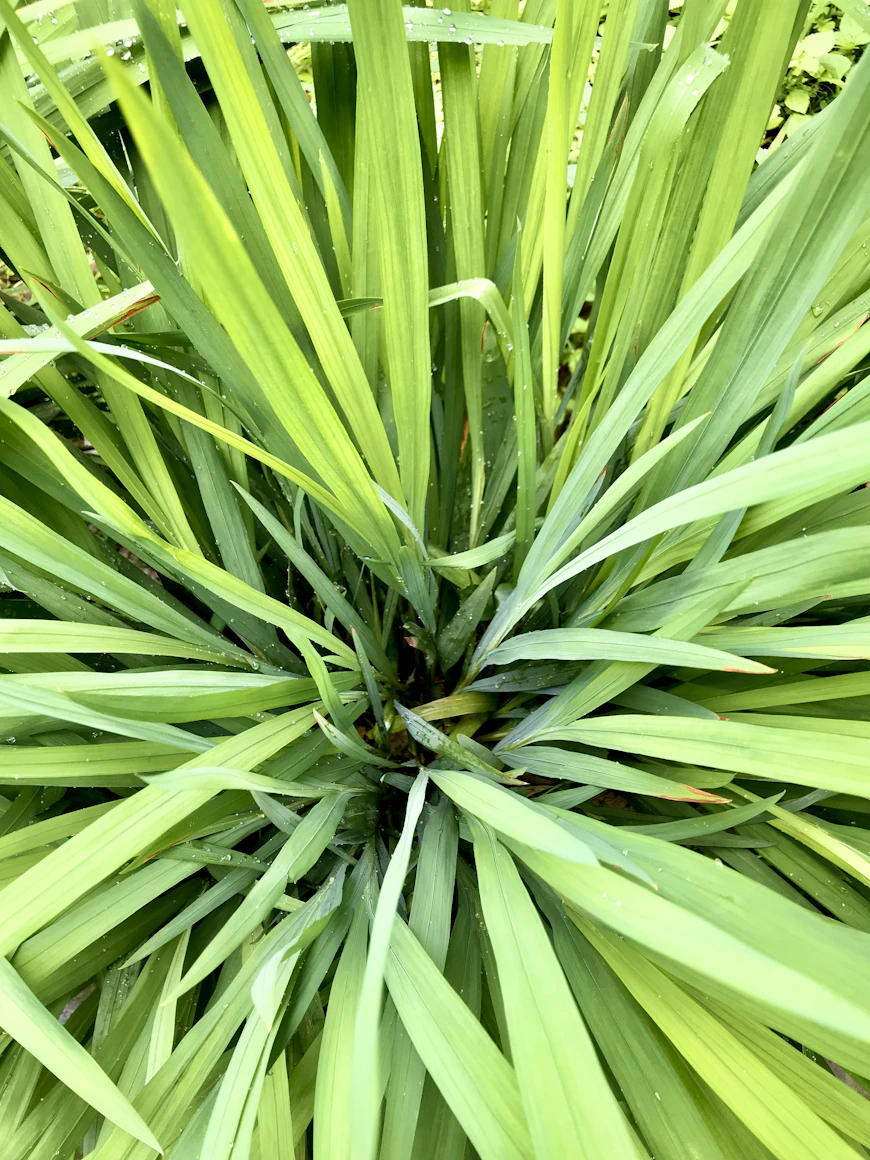
Step-by-Step Guide: How to Setup Your Natural Mosquito Barrier
Follow these practical steps to optimize which plant kills mosquitoes fastest at home for your specific space:
- Identify the 'Entry Points': Mosquitoes usually enter through balconies or windows. Place your best mosquito-repelling plants in these areas to block their path.
- Use Multiple Varieties: Don't rely on just one plant. Combine Lemongrass, Marigold, and Basil (Tulsi) for a multi-layered scent defense.
- Optimize Potting Mix: Use 40% garden soil, 40% compost, and 20% sand. Good drainage is key because stagnant water attracts mosquitoes for breeding.
- Crush for Performance: To release the active mosquito-repelling compounds (like citronellal or geraniol), occasionally brush against the leaves or crush a few to increase the fragrance strength.
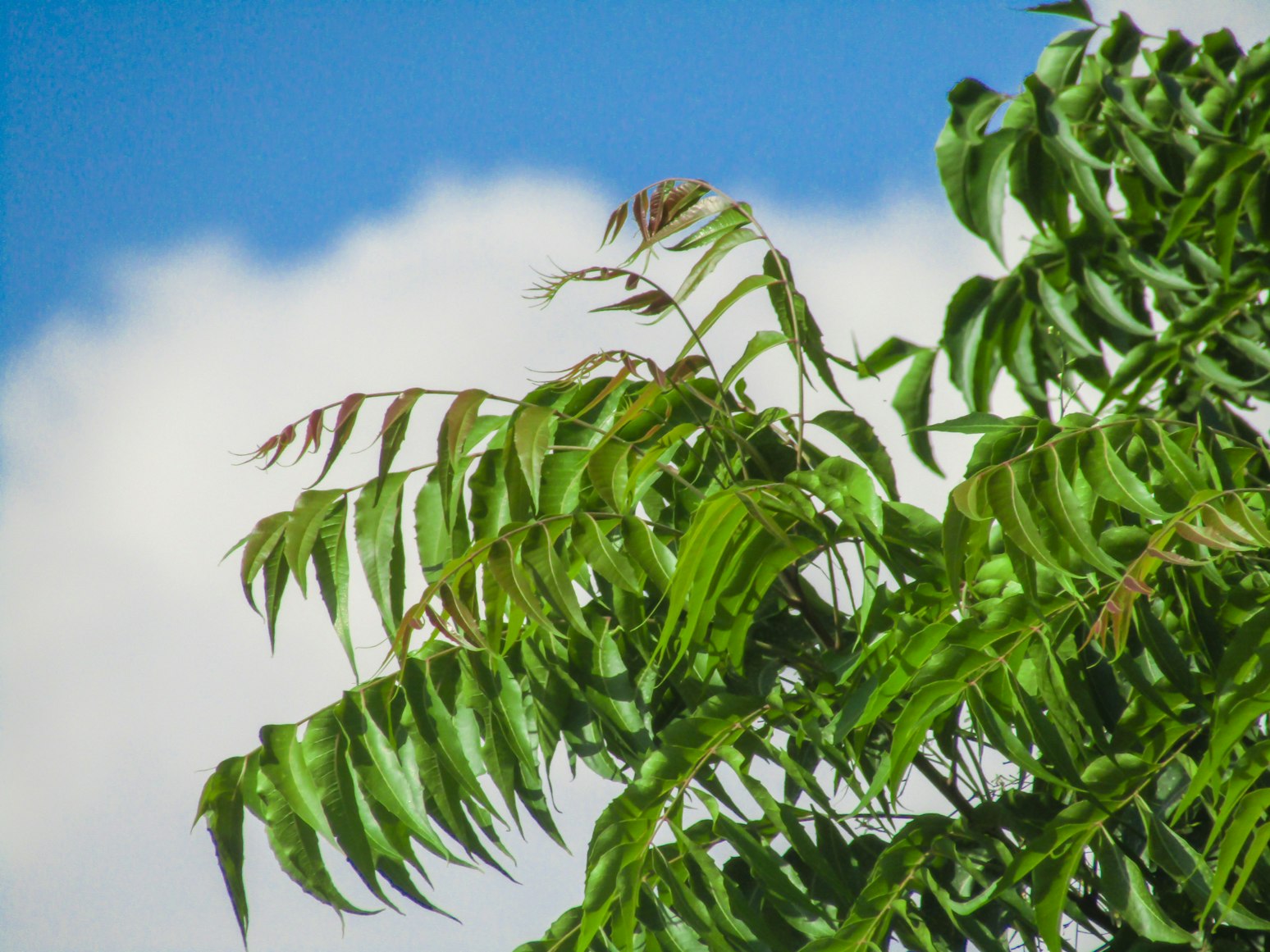
Best Conditions and Requirements for Peak Repellency
To ensure your mosquito repellent plants at home are actually working, you must provide these conditions:
- Sunlight Intensity: Most repelling plants, like Lavender and Citronella, need full sun. If they are in the shade, they won't produce enough essential oils to be effective.
- Correct Watering: Never let water sit in the saucer. If you see mosquitoes near your pots, you are likely overwatering.
- Temperature Control: During extreme heat, protect these plants from hot winds which can dry out the essential oil glands on the leaves.
- Organic Feeding: Use organic fertilizers once a month. Healthy plants produce more of the natural chemicals that repel pests.
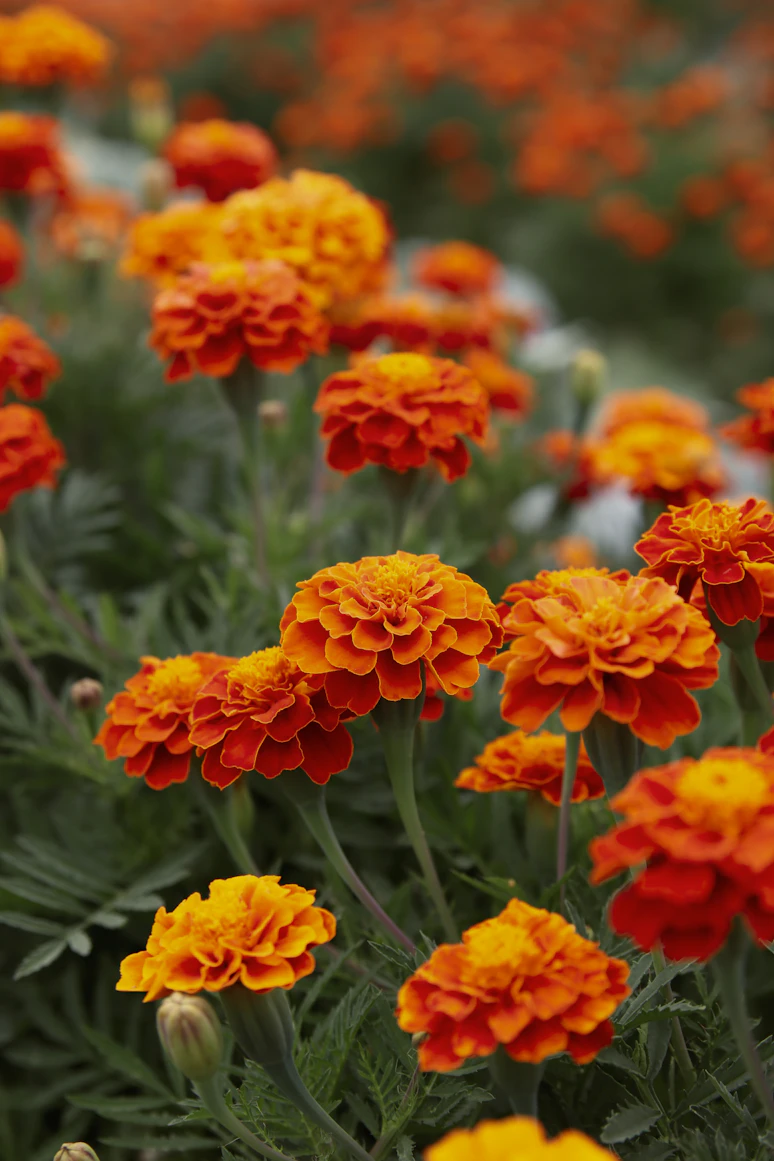
Common Mistakes with Mosquito-Repelling Plants
Avoid these errors when using natural mosquito killers at home:
- Expecting One Plant to Clear a Room: A single small plant cannot protect a large area. You need several pots grouped together for a real effect.
- Keeping Plants in Dark Corners: Plants like Neem or Citronella will die and stop smelling if kept inside without enough UV light.
- Ignoring Standing Water: If you have a hydroponic system, ensure it is covered. Any exposed water will become a breeding ground, defeating the purpose of the plants.
Pro-Tips for Better Mosquito Control
- Burn Dried Leaves: If the mosquito problem is severe, burning a few dried Neem or Sage leaves provides immediate relief through aromatic smoke.
- The 'Fan' Method: Place your mosquito plants near a pedestal fan. The fan will blow the plant's scent across the room while also making it physically hard for mosquitoes to fly.
- Check Your Soil pH: Most aromatic herbs prefer a neutral soil pH of 6.5 to 7.0 to grow their best and smell the strongest.
Frequently Asked Questions
Q. Which plant kills mosquitoes fastest at home?
Answer: While no plant kills them instantly like a spray, Neem and Citronella are the fastest at repelling them. Burning dried Neem leaves is a traditional way to kill mosquitoes with natural smoke.
Does Tulsi repel mosquitoes?
Answer: Yes, Tulsi (Holy Basil) is highly effective at repelling mosquitoes because its leaves contain natural oils that are toxic to mosquito larvae and irritating to adults.
Can I keep mosquito repellent plants in the bedroom?
Answer: You can keep plants like Lemon Balm or Rosemary in the bedroom if they get enough sunlight, but ensure there is no standing water in the pot trays.
How to make mosquito plants smell stronger?
Answer: To make mosquito plants smell stronger, provide 8 hours of direct sunlight and occasionally prune the tips to encourage new, oil-rich leaf growth.
Summary: A Greener Way to Stay Safe
Choosing **which plant kills mosquitoes fastest at home** is about creating a layered defense. By combining **Citronella**, **Neem**, and **Marigold** with smart **soil management**, you can significantly reduce pests naturally. If your plants look weak or yellow, check our troubleshooting guide. Start building your natural barrier today and enjoy a bite-free summer! For more tips on fast growth, see our natural growth guide.