

8 Biggest Beginner Mistakes in Indoor Gardening (And How to Fix Them)
“Stop killing your plants! Discover the 8 most common beginner mistakes in indoor gardening and the simple fixes to keep your green sanctuary alive and thriving.”
The most common mistake beginners make in indoor gardening is overwatering, followed closely by placing plants in the wrong light conditions. When you're just starting, it’s natural to want to 'love' your plants by giving them daily water or extra fertilizer. However, in indoor environments, these habits often lead to root suffocation and plant decline. In 2026, with more people bringing nature into their homes, learning to 'read' your plant instead of just following a schedule is the key to becoming a successful gardener.
Whether you're struggling with yellowing leaves or wondering why your plants never seem to grow, the problem is rarely that you have a 'black thumb.' It’s almost always a mismatch between your care habits and the plant’s natural needs. Here are the 8 biggest blunders that keep your indoor garden from looking its best.
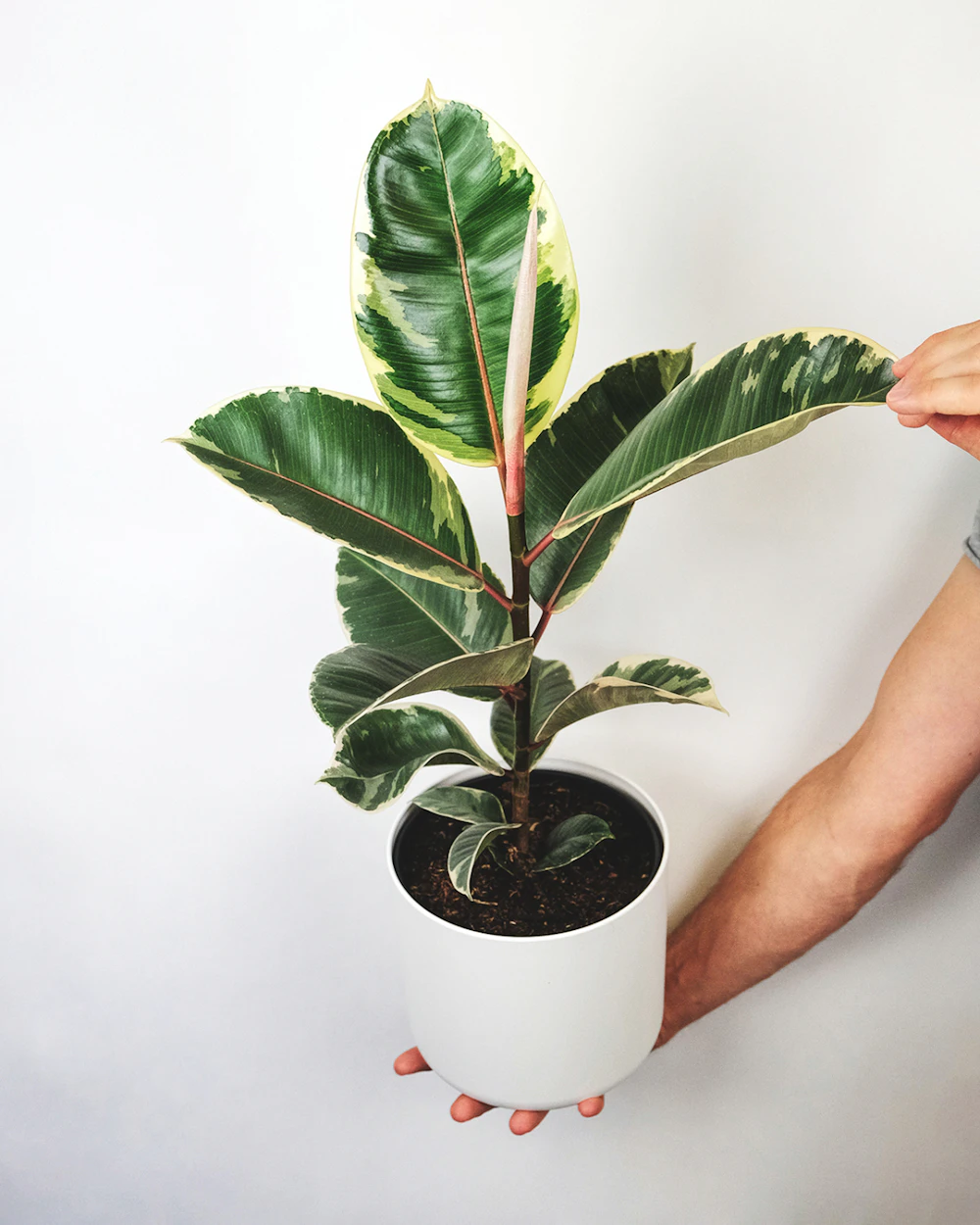
The 8 Blunders That Kill Your Indoor Garden
- 1. Overwatering (The #1 Killer): Watering on a calendar schedule instead of checking the soil. If the soil is still damp, do not water!
- 2. Ignoring Light Needs: Putting a light-loving plant in a dark corner or a shade-loving plant in harsh, direct sun. Always check the plant's native habitat.
- 3. Using Pots Without Drainage: Planting directly into decorative pots that have no holes. This creates a swamp at the bottom, leading to immediate root rot.
- 4. Sudden Environmental Changes: Moving a plant from a dark nursery to a bright, hot balcony overnight. Plants need 'acclimatization' to handle new conditions.
- 5. Neglecting Dust: Dust-covered leaves cannot photosynthesize effectively. This is why many indoor plants grow slowly.
- 6. Over-Fertilizing: Adding chemical feeds to a struggling plant. Stressed plants can't process food—it will only burn their roots.
- 7. Ignoring Pest Signs: Thinking a few spots are 'normal.' Pests like mealybugs can take over an entire collection if not treated with a DIY organic pesticide early.
- 8. Using the Wrong Soil: Using garden soil that is too dense and compact, which suffocates the delicate roots of indoor varieties.
Fixing Your Mistakes: A 3-Step Strategy
If you've been guilty of these mistakes, don't worry! Here is how to course-correct immediately:
- Step 1: The 'Finger Test': Before adding a drop of water, stick your finger 2 inches into the soil. If it’s dry, water. If it’s moist, walk away. This simple habit will save 90% of indoor plants.
- Step 2: Correct Lighting: Download a simple 'Light Meter' app on your phone. See exactly how much light your plant spot gets. If it’s 'Low Light,' move your plant closer to the window or add a grow light.
- Step 3: Quality Potting Mix: Invest in a 'well-draining' mix. For indoor plants, use a mix of 50% coco-peat, 20% perlite (or sand), and 30% organic compost. This mix ensures air reaches the roots.

Why Beginners Often Struggle in April/May
With temperatures rising in India right now, the rate at which plants use water has changed. A schedule that worked in February will surely cause problems in April. Adapting to the season is part of moving from 'beginner' to 'pro.' Keep a close eye on your plants during this heatwave period, and remember that our balcony heat protection guide is your best friend right now.
Frequently Asked Questions
Q. Is it better to underwater or overwater?
Answer: Underwatering is much safer. You can revive a wilted plant in minutes, but you cannot easily fix rotten, mushy roots caused by overwatering.
Q. How do I know if my pot has good drainage?
Answer: When you water, it should start dripping from the bottom holes within 10–15 seconds. If it pools at the top for a long time, your soil is too dense.
Can I fix a root-bound plant easily?
Answer: Yes! Just move it to a pot 1-2 inches larger. Check our repotting guide for the step-by-step.
How often should I clean my leaves?
Answer: Aim for once every two weeks. Simply wiping them with a damp cloth makes a massive difference in plant health and growth speed.
Summary: Growing with Confidence
Indoor gardening is a learning process, not a destination. Don't be discouraged by mistakes; even expert gardeners have lost plants! By identifying these 8 common blunders, you are already ahead of the curve. Keep observing, stay consistent with the Finger Test, and provide the right potting mix, and you will see your garden transform. For more growth secrets, see our natural growth guide. Happy planting!
Share this Update
Related Guides
Pre-Monsoon Checklist: 5 Things Every Indian Gardener Must Do in May
Don't let the rains ruin your hard work! Follow our 2026 pre-monsoon checklist for Indian gardeners to prepare your balcony and backyard for the heavy May and June showers.

DIY Organic Pesticide: How to Get Rid of Mealybugs and Aphids Forever
Stop pests from destroying your garden! This DIY organic pesticide guide shows you how to kill mealybugs and aphids naturally without harsh chemicals.
How to Repot Plants Without Killing Them: A Global Step-by-Step Guide
Afraid of transplant shock? Learn how to repot plants without killing them. This global guide covers the best timing, soil choice, and recovery tips for 2026.