
How to Repot Plants Without Killing Them: A Global Step-by-Step Guide
“Afraid of transplant shock? Learn how to repot plants without killing them. This global guide covers the best timing, soil choice, and recovery tips for 2026.”
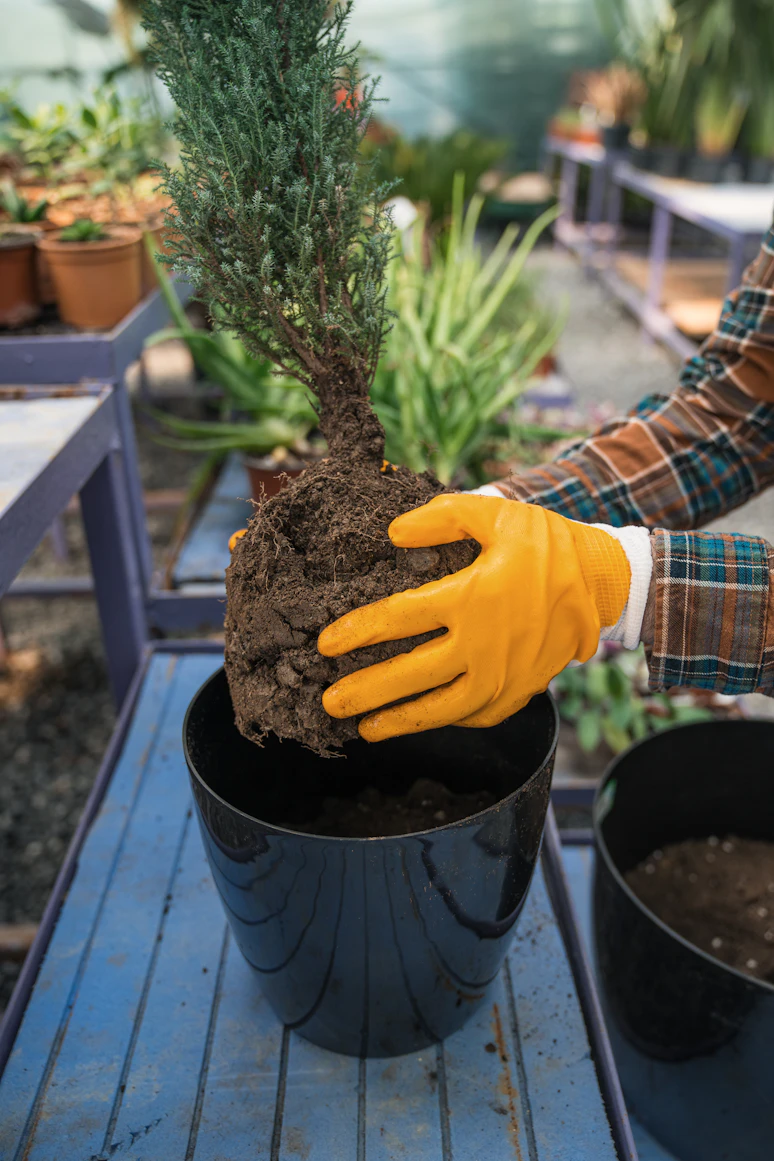
To repot plants without killing them, you must ensure the new pot is only 2 inches wider than the old one, keep the root ball intact, and water the plant thoroughly 24 hours before the move. Whether you are a gardener in India, the USA, or Australia, 'transplant shock' is the biggest risk when moving a plant. By following a careful, systematic approach, you can provide your greenery with the space it needs to thrive without damaging its delicate root system.
Understanding how to repot plants successfully is a vital skill for every plant parent. In high-heat regions like Surat or Arizona, repotting at the wrong time can lead to instant wilting. By using the right clay or plastic pots and high-quality organic matter, you can ensure your plant's transition is seamless. This guide provides a global standard for repotting plants for beginners to avoid common mistakes and encourage fast growth.
Quick Guide to Successful Repotting
- Water the plant 24 hours before repotting to loosen the roots
- Choose a pot that is only 1-2 inches larger than the current one
- Never pull a plant by the stem; always tip the pot sideways
- Use fresh, nutrient-rich organic soil for the new home
- Keep the repotted plant in shade for 3-5 days to recover
Step-by-Step Guide: How to Repot Plants Without Killing Them
Follow these professional steps to minimize stress during the move:
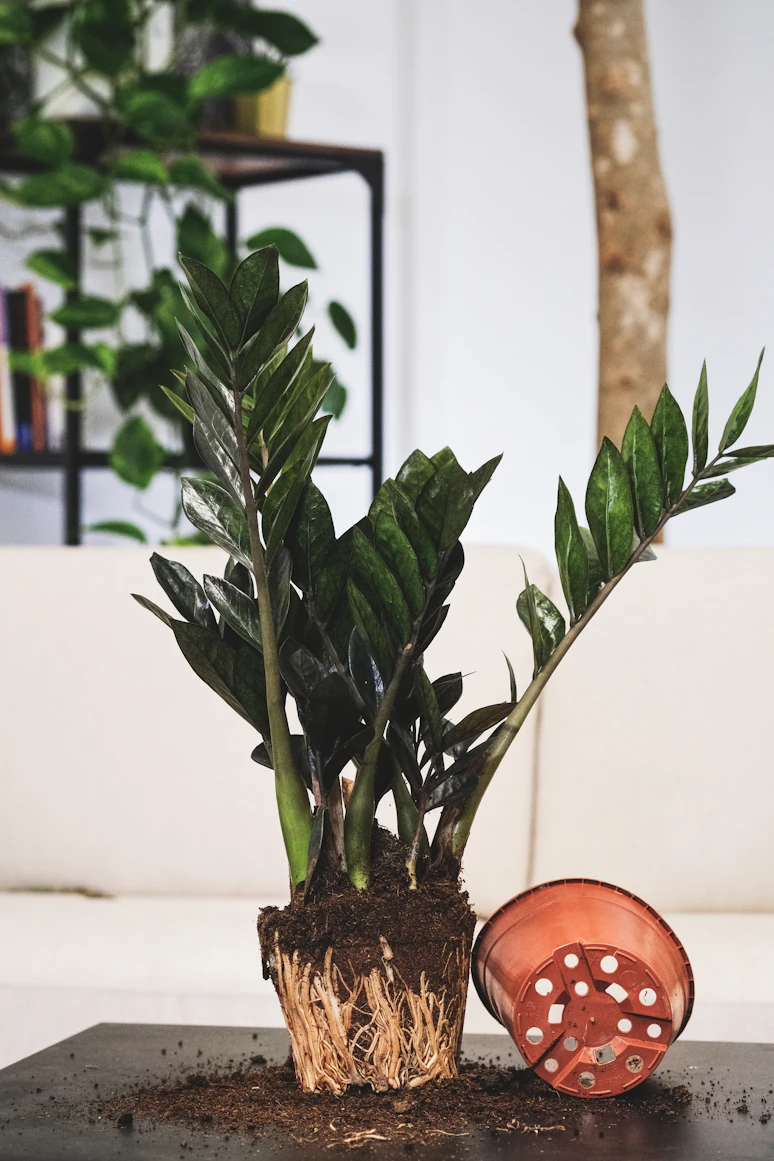
- 1. Check for 'Root-Bound' Signs: If roots are circling the top or coming out of drainage holes, it is time for a fast-growing plant to get a new home.
- 2. Prepare the New Pot: Fill the bottom 25% of the new pot with a mix of soil and organic compost. Ensure the drainage holes are clear.
- 3. The Gentle Exit: Turn the plant sideways, place your hand over the soil surface with the stem between your fingers, and gently squeeze the sides of the old pot until the plant slides out.
- 4. Root Inspection: If roots are tightly coiled, gently tease them outwards with your fingers. Do not break the main root ball.
- 5. Centering and Filling: Place the plant in the new pot. Ensure it sits at the same depth as before. Fill the gaps with fresh soil and press down lightly to remove air pockets.
How to Prevent and Fix Transplant Shock
Transplant shock happens when roots stop absorbing water after being moved. To fix this fast:
- Avoid Direct Sun: Keep the plant away from burning sunlight for at least a week. The plant needs all its energy for root recovery, not photosynthesis.
- Sugar Water Hack: A weak solution of 1 teaspoon of sugar in 1 liter of water can provide an immediate carbon boost to stressed roots.
- High Humidity: Use a pebble tray or group plants together to reduce transpiration. This is vital in dry climates to prevent hot winds from drying the plant out.
Common Repotting Mistakes to Avoid
Many global gardeners kill their plants during this process by making these errors:
- Using a Giant Pot: Moving a small plant into a massive pot leads to 'over-potting.' The excess soil stays wet too long, causing root rot.
- Repotting During a Heatwave: Never repot when temperatures are above 35°C (95°F). Wait for a cloudy day or do it in the cool evening.
- Immediate Fertilization: Never add chemical fertilizers to a freshly repotted plant. The roots are sensitive and will burn. Wait at least 4 weeks.
Expert Tips for Better Root Health
- Use Seaweed Extract: Water the new pot with diluted seaweed solution. It contains natural hormones that reduce transplant shock globally.
- Check Soil pH: Ensure the new soil matches the plant's needs. For example, lemon trees need slightly acidic soil.
- Sterilize Old Pots: If reusing a pot, wash it with mild soap to ensure no old fungus or bacteria infects the new plant.
Frequently Asked Questions
How to repot plants without killing them?
Answer: The key is to minimize root disturbance, use a pot only slightly larger than the previous one, and keep the plant in the shade while it recovers from the move.
Q. What are the signs of transplant shock?
Answer: Signs include drooping leaves, yellowing, or sudden leaf drop immediately after repotting. This is usually caused by root damage or extreme temperature changes.
Q. Should I water a plant immediately after repotting?
Answer: Yes, you should water thoroughly until water runs out of the drainage holes. This helps the new soil settle around the roots and removes large air pockets.
Q. When is the best time to repot plants?
Answer: The best time is during Spring or the beginning of the Monsoon season when the plant is in its active growth phase and can recover its roots faster.
Summary: Growing Stronger Roots
Learning how to repot plants without killing them is a milestone in your gardening journey. By focusing on gentle handling, proper pot sizing, and shaded recovery, you can give your plants the best chance at a long life. If you're managing a small space, check our mini garden guide for arrangement tips. Don't be afraid to move your plants—just do it with care! For more tips on faster growth after repotting, see our natural growth guide.
Share this Update
Related Guides

8 Biggest Beginner Mistakes in Indoor Gardening (And How to Fix Them)
Stop killing your plants! Discover the 8 most common beginner mistakes in indoor gardening and the simple fixes to keep your green sanctuary alive and thriving.
Pre-Monsoon Checklist: 5 Things Every Indian Gardener Must Do in May
Don't let the rains ruin your hard work! Follow our 2026 pre-monsoon checklist for Indian gardeners to prepare your balcony and backyard for the heavy May and June showers.

DIY Organic Pesticide: How to Get Rid of Mealybugs and Aphids Forever
Stop pests from destroying your garden! This DIY organic pesticide guide shows you how to kill mealybugs and aphids naturally without harsh chemicals.