
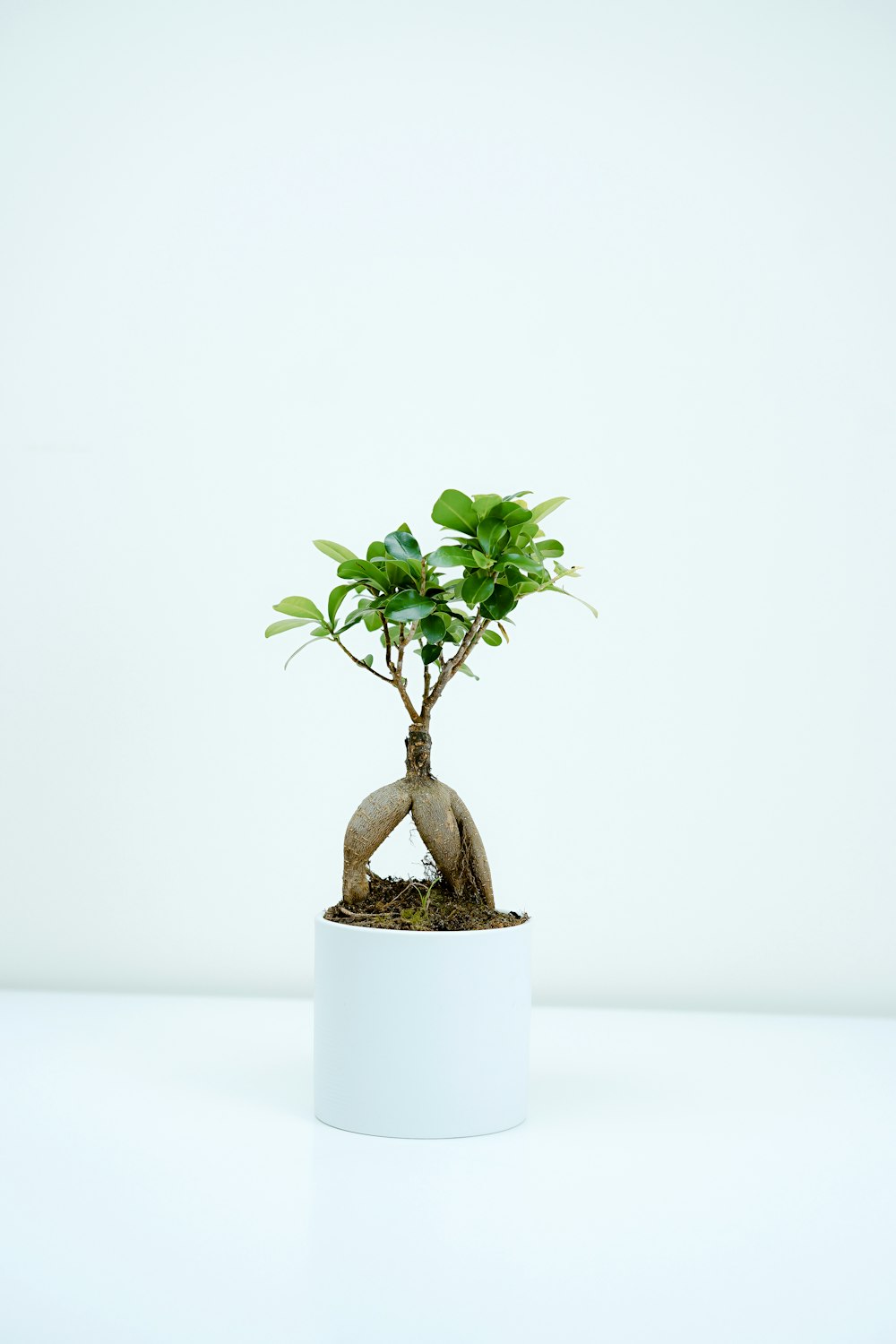
Plants vs. Trees: Can You Really Grow a Tree on an Indian Balcony?
“Think you can only grow plants on a balcony? Discover the 2026 trend of 'Dwarf Trees' that bring the shade of a vriksh to small urban spaces.”
Is it better to grow plants or trees on an Indian balcony?
While most people only grow small plants, growing dwarf trees on an Indian balcony is now possible and highly recommended for 2026. Unlike small decorative plants, 'Dwarf Trees' like the Amrapali Mango or Baramasi Lemon provide significantly more oxygen, better natural cooling, and actual fruit harvests while staying under 5 feet tall. For a balcony in Surat or Mumbai, a mix of both is the secret to a high-ranking, climate-resilient garden.
If you look at your neighbors' balconies today, you probably see plenty of Money Plants, Aloe Vera, and Tulsi. These are excellent balcony plants, but they don't provide the 'Canopy Effect' needed to lower your home's temperature. The breakout search trend in 2026 is "Balcony Orchard," as urban dwellers realize that a big tree DNA can now be compressed into a 20-inch pot through advanced grafting techniques.
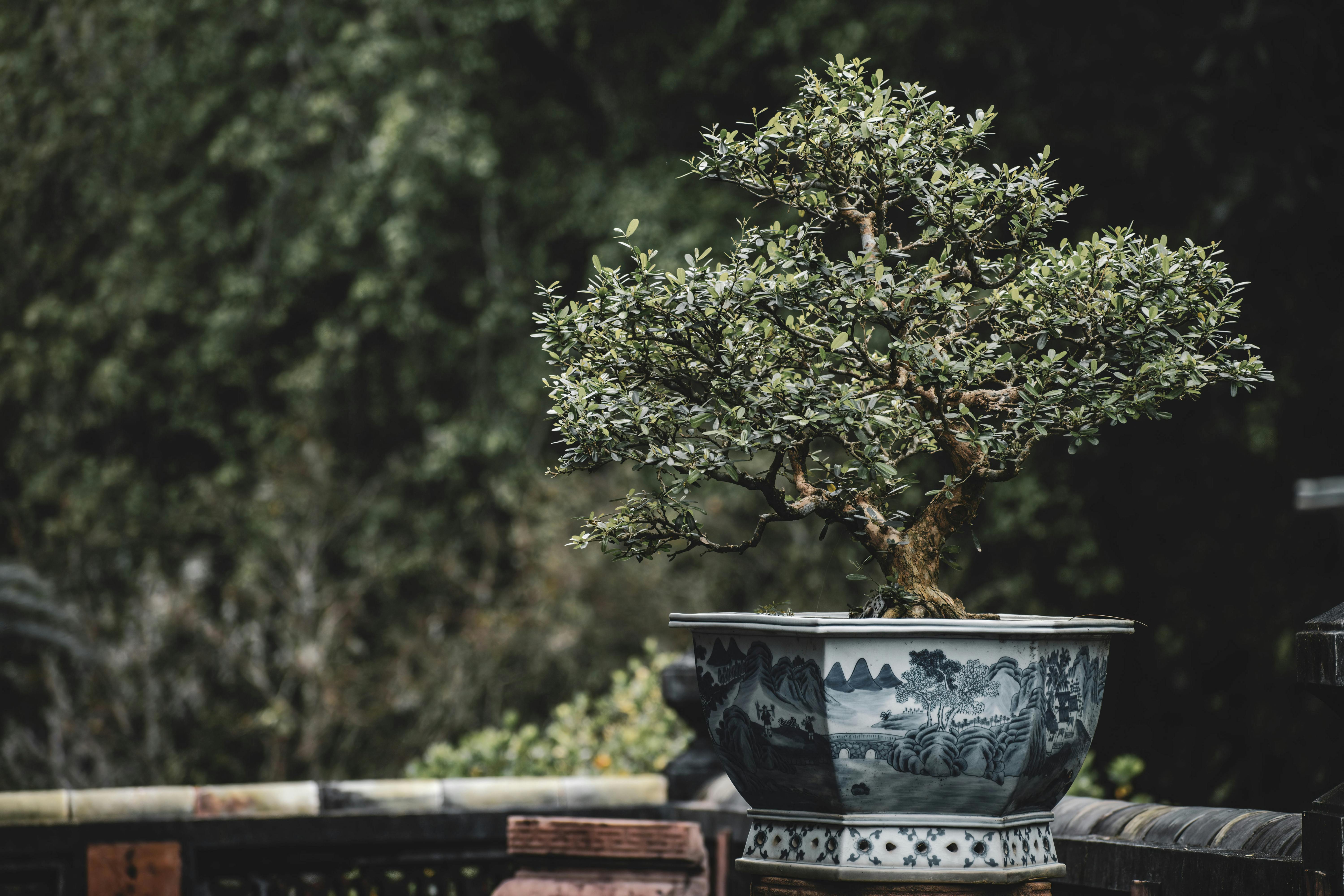
Q. The Key Difference: Plants vs. Dwarf Trees
Understanding the difference is crucial for your 2026 gardening strategy. A plant (like a Marigold or Petunia) usually has a soft stem and a short life cycle. A vriksh (tree), even a dwarf one, has a woody trunk and can live for decades on your balcony.
- Cooling Power: One Dwarf Mango tree has the leaf surface area of approximately 50 small Snake Plants. This means much higher transpiration and cooler air for your living room.
- Sustainability: While you have to replant seasonal flowers every few months, a Coconut tree (dwarf variety) or a Palm tree is a permanent investment in your home's air quality.
- Space Management: Plants are great for railings and hanging baskets, but a single big tree in a corner creates a focal point that defines the entire space.
Q. Technical Deep Dive: Why 'Tree' Roots are Different in Pots
The reason most people avoid trees on balconies is the fear of roots breaking the floor. In 2026, we solve this using Root-Pruning Containers or 'Air-Pots.' Unlike a standard plastic pot where roots circle and become 'root-bound,' Air-Pots use guided holes to dehydrate the root tips. This 'air-pruning' forces the tree to grow a dense, fibrous root system rather than thick, destructive ones. This technology makes it safe to grow a Banyan tree (as a Bonsai tree) or even a Moringa on a modern apartment balcony without any structural risk.
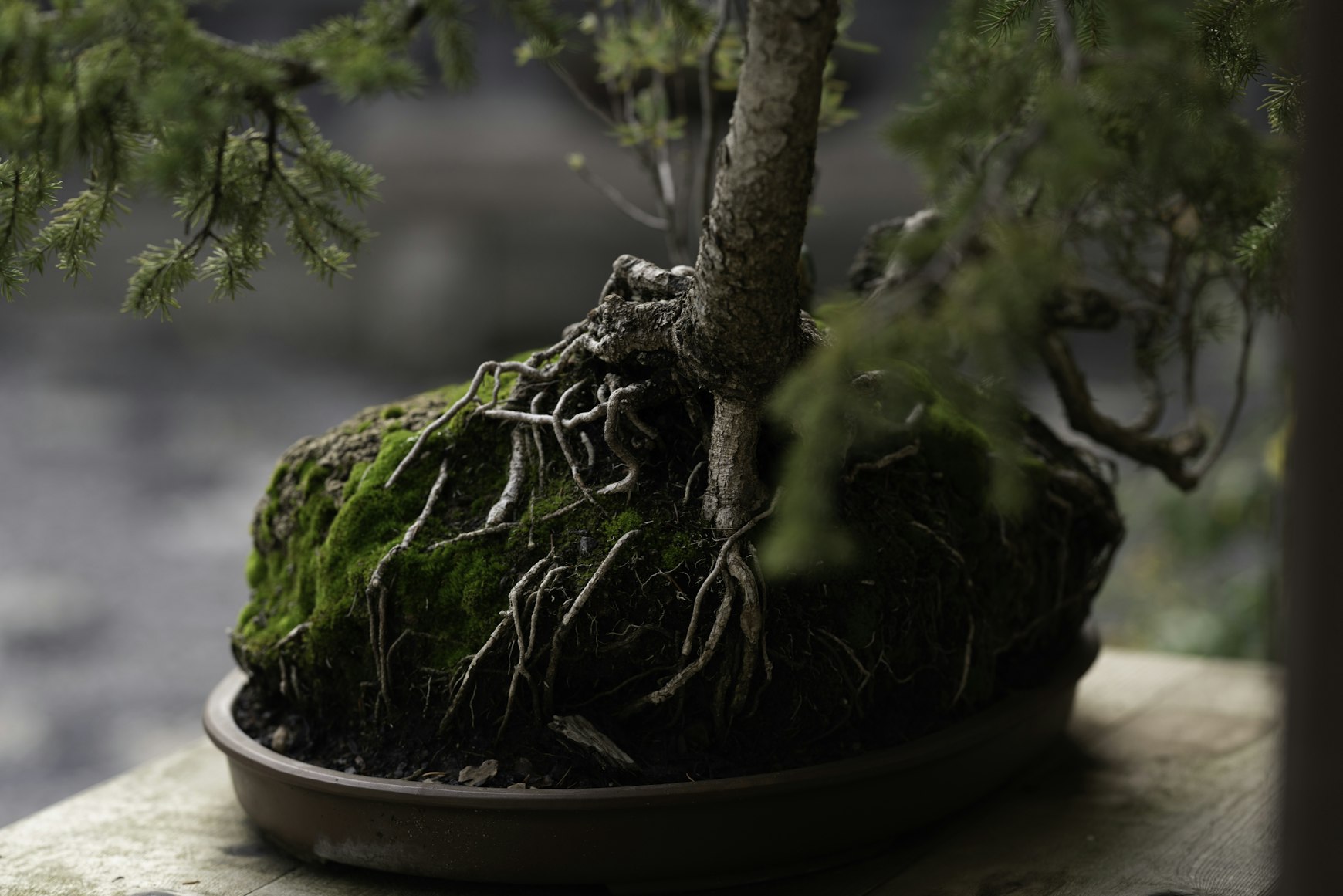
Additionally, you must manage the Soil Bulk Density. Trees require a heavier, more stable mix than small plants. Use a ratio of 40% cocopeat, 40% organic compost, and 20% perlite to ensure your green tree stays upright during the high winds of a Mumbai monsoon. If you see your tree leaning or developing yellow leaves, it’s often a sign that the soil has compacted too much, preventing oxygen from reaching the roots.
Pro-Tip: The 'Layered Canopy' Method
To rank your balcony as a 'Professional Garden' in 2026, don't just pick one. Use Layered Canopy Design. Place your Dwarf Fruit Tree or Palm tree in the back corner to provide shade. Underneath its canopy, place your shade-loving balcony plants like Money Plants or Ferns. The tree protects the smaller plants from the harsh Surat sun, and the smaller plants act as 'Living Mulch,' keeping the tree's soil cool. This symbiotic relationship reduces your watering needs by 20%.
Q. Why You Should Switch to 'Trees' This Summer
With the 2026 heatwaves hitting harder than ever, a balcony full of small plants often wilts because they can't store enough water. A vriksh is much more resilient. Its woody trunk acts as a water reservoir, helping it survive even if you forget to water it for a day. Whether it's a Lemon tree for your kitchen or a Champa (Plumeria) for its divine fragrance, adding a tree to your balcony is the smartest move for an Indian urban gardener today.

Q. Summary: Plants for Color, Trees for Life
Don't limit yourself to just small pots. In 2026, every Indian balcony has room for at least one big tree variety. Use plants for immediate color and festivals, but invest in a vriksh for long-term cooling and health. If you are worried about your new tree's health, keep an eye out for yellowing leaves and adjust your soil pH accordingly. Your balcony isn't just a ledge; it's a potential forest.
Ready to go big? Visit a nursery this weekend and ask for a 'Grafted Dwarf' fruit tree to start your balcony transformation!
Share this Update
Related Guides

Amla Benefits and How to Grow Indian Gooseberry: The Superfood Guide
Discover the health benefits of Amla and learn how to grow this vitamin C-rich superfood at home with this complete guide.

Lemon Health Benefits and How to Pick Juicy Lemons in India
Discover lemon health benefits and learn how to pick juicy, thin-skinned lemons for better taste, freshness, and nutrition anywhere.
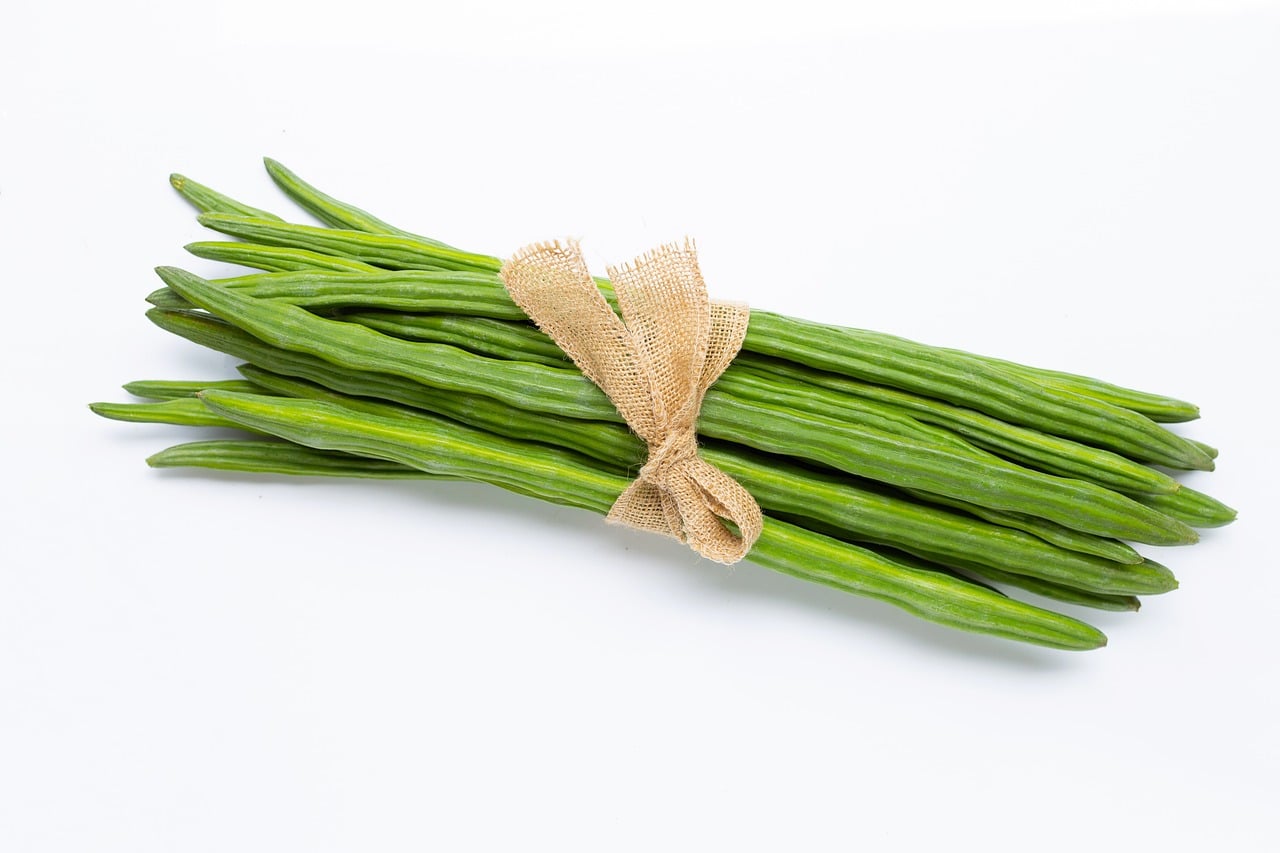
How to Grow Drumstick Plant at Home in India: The Ultimate Guide
Master the art of growing Moringa! Learn how to grow drumstick plant at home in India, its health benefits, care tips, and who should avoid eating it.