Top 10 Summer Vegetables to Sow in India Before the Monsoon (May-June Guide)
“Get your kitchen garden ready! Learn which 10 vegetables to sow in May and June to get a massive harvest during the Indian monsoon. Perfect for balconies and backyards.”
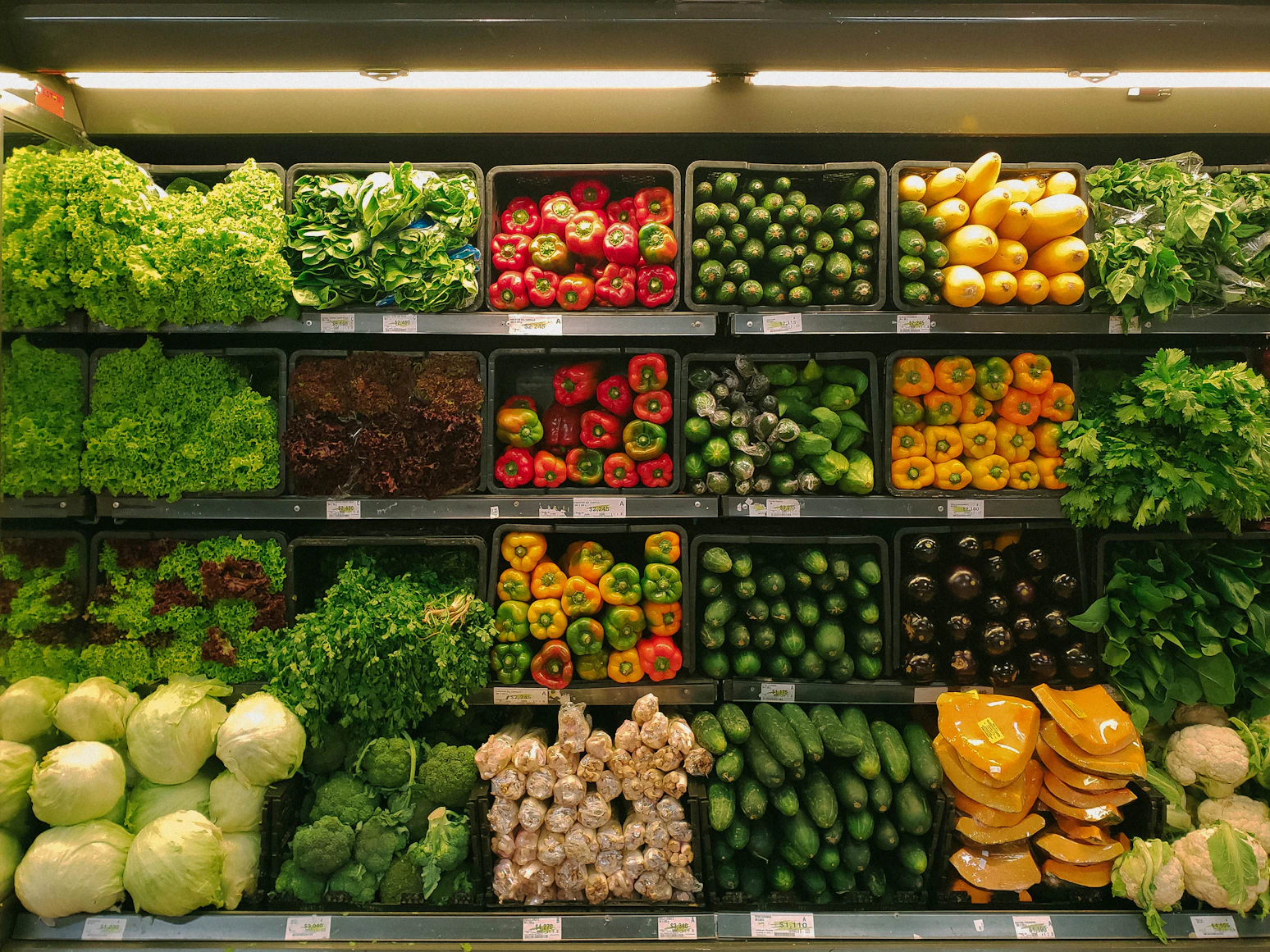
The best vegetables to sow in India before the monsoon include Okra (Bhindi), Bottle Gourd (Lauki), and Bitter Gourd (Karela), as these crops thrive in the high heat of May and utilize the early rains for rapid growth. Sowing your seeds 2–4 weeks before the first heavy showers allows the root systems to establish in warm soil, giving your plants a massive head start over the weeds that emerge during the rainy season. In cities like Surat, Mumbai, and Hyderabad, this 'Pre-Monsoon' planting window is the secret to a high-yield organic harvest.
Finding the right summer vegetables to sow in India is essential for anyone looking to build a sustainable mini garden. While the 40°C+ heat of May can be challenging, these heat-loving varieties are designed to survive the sun and flourish in the humidity. Whether you are planting in large terracotta pots or a backyard patch, this guide covers the best May gardening crops for the 2026 season.
The Importance of Timing: Why May and June are Critical
In the Indian context, the period between May 15th and June 15th is often called the 'buffer zone.' The soil is at its warmest, which triggers high metabolic activity in seeds. If you wait until the monsoon is in full swing (July), the soil becomes too cold and saturated with water, which can lead to seed rot. By sowing summer vegetables now, you ensure the plant is at least 6 inches tall with a strong taproot before the heavy downpours begin.
Quick List: 10 Vegetables to Plant in May & June
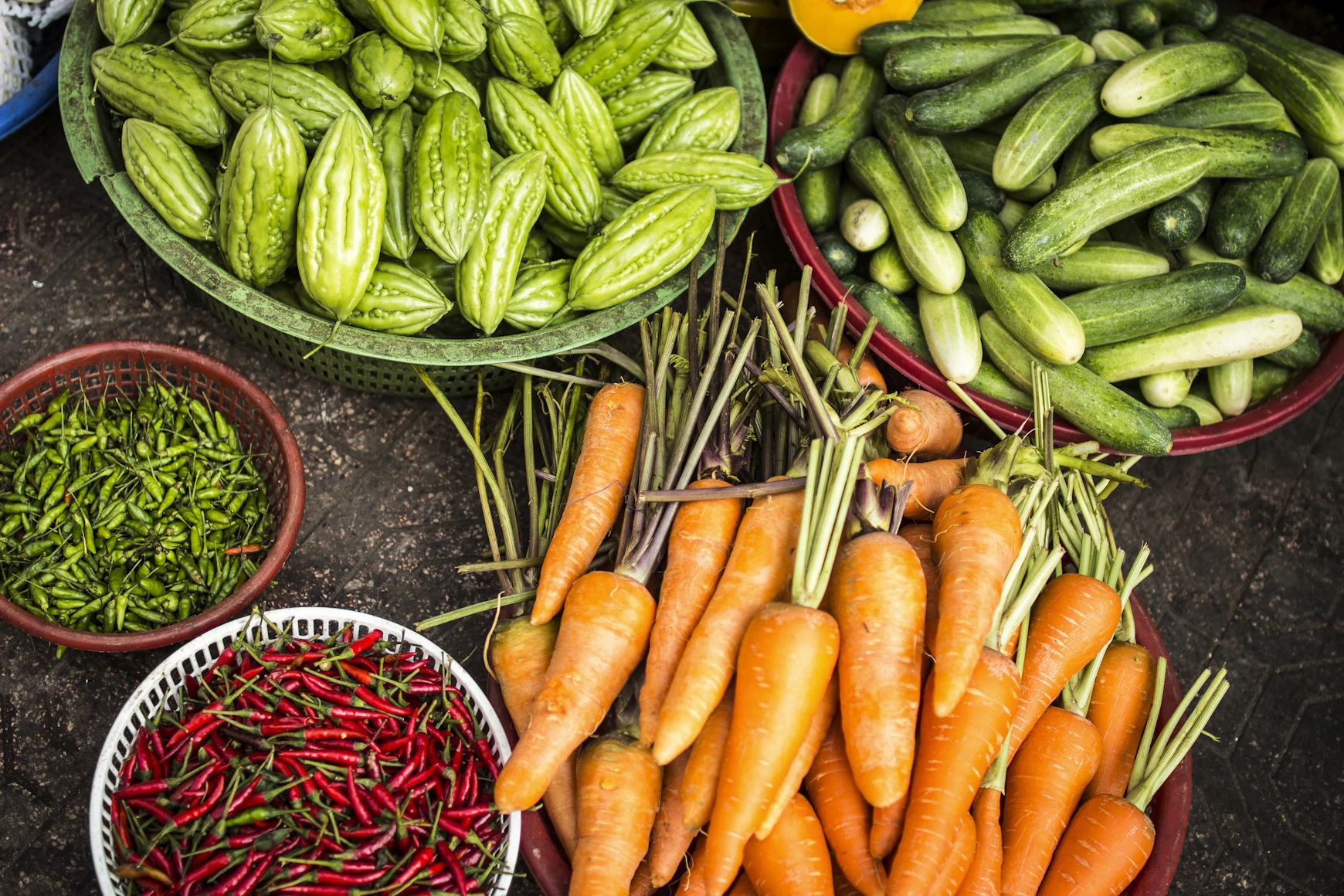
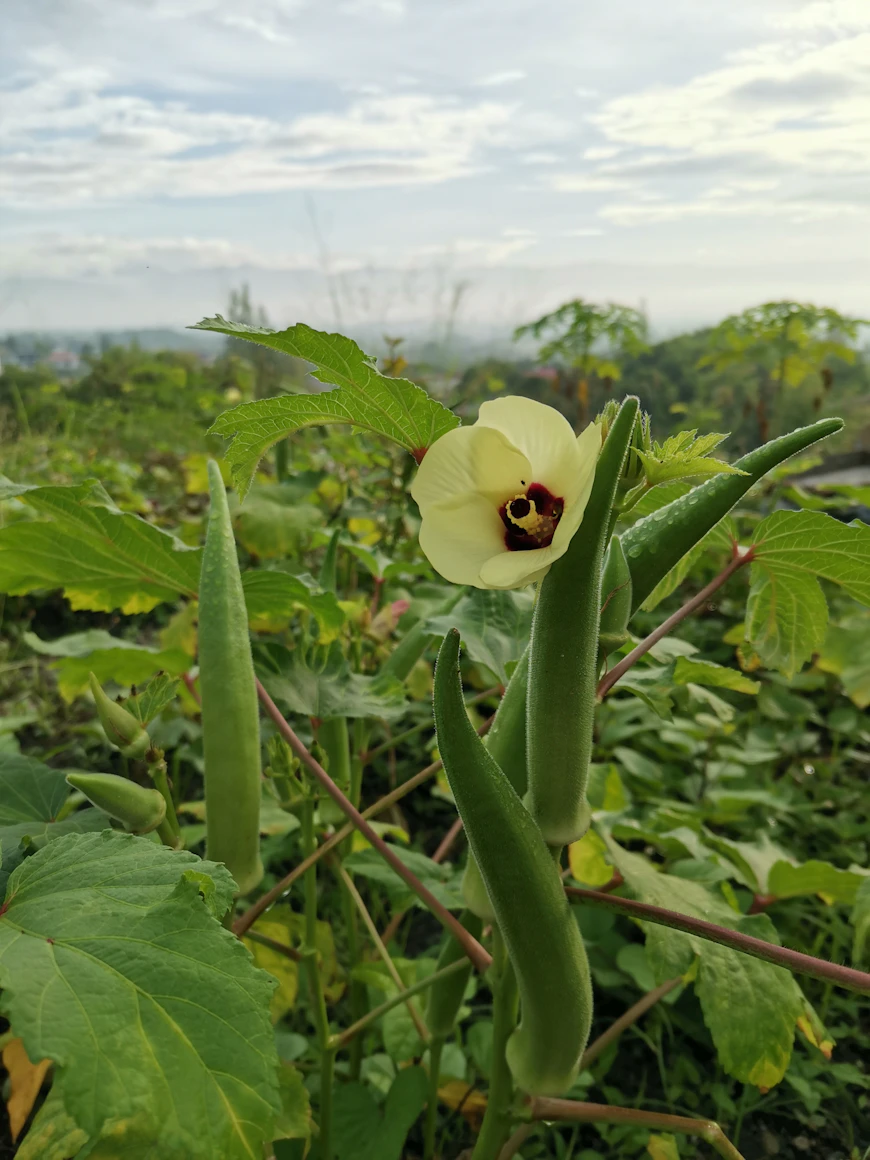
- Okra (Bhindi): The king of summer; loves the heat and thrives in full sun.
- Bottle Gourd (Lauki): A vigorous climber that needs a strong trellis to keep fruit off the damp ground.
- Bitter Gourd (Karela): Highly medicinal; the humidity of the monsoon reduces its natural pest issues.
- Cucumber (Kheera): Best for summer hydration; needs consistent moisture and vertical support.
- Cowpeas (Chauri): Fast-growing beans that actually improve your soil by fixing nitrogen.
- Ridge Gourd (Turai): Hardy and incredibly pest-resistant during the rainy months.
- Green Chillies: A staple that thrives with proper home care and well-drained soil.
- Eggplant (Brinjal): Extremely resilient; can handle the transition from 45°C to heavy rain easily.
- Amaranthus (Chaulai): A 'super-green' that can be harvested in just 25-30 days after sowing.
- Cluster Beans (Guar): Drought-tolerant and very productive even in poor soil conditions.
Detailed Sowing Guide for Monsoon Success
Follow these professional steps to ensure your pre-monsoon vegetable garden survives the transition:
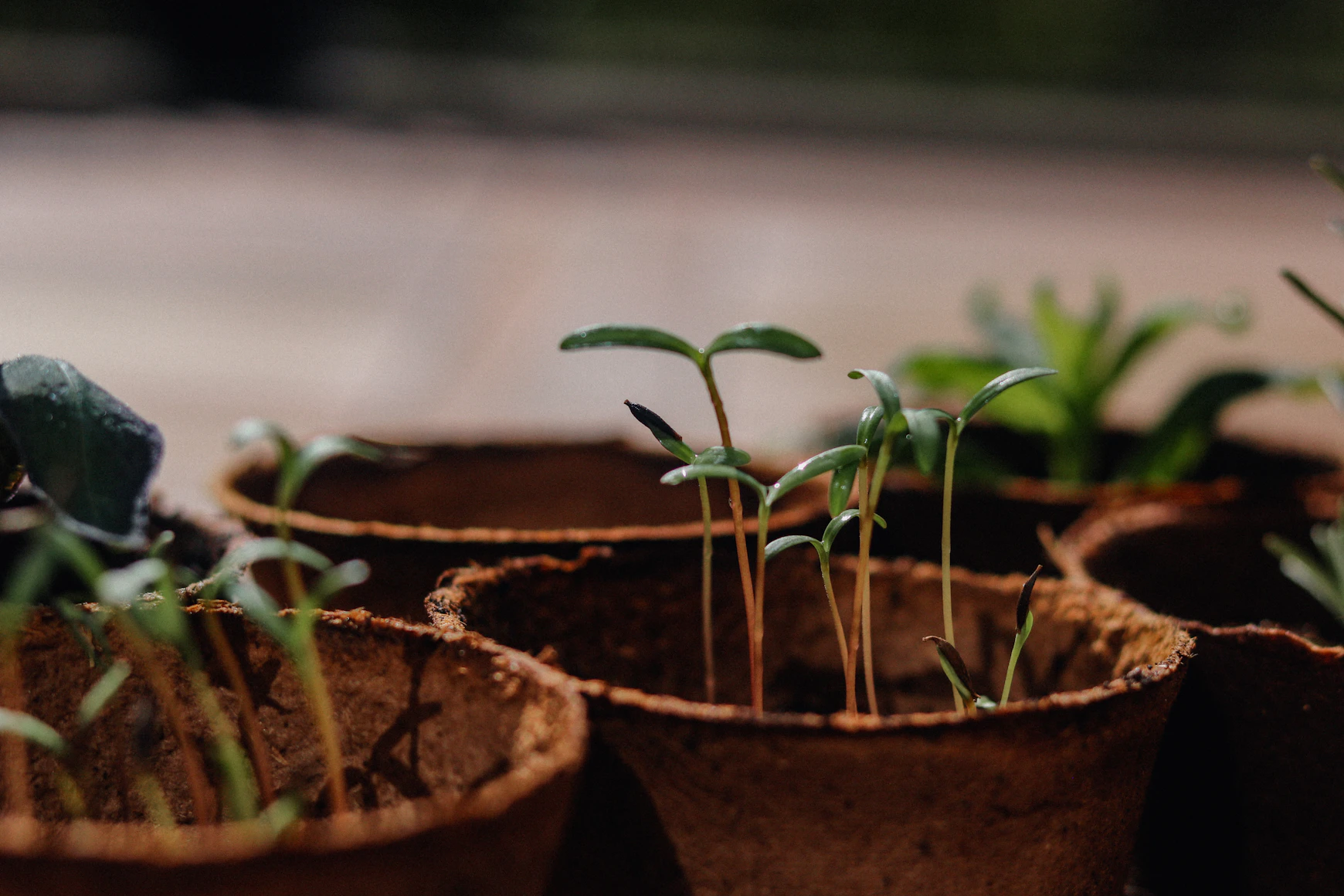
- 1. Soil Enrichment: Before sowing, mix 40% garden soil with 30% organic compost. This provides the 'fuel' for fast growth. In May, avoid high-nitrogen chemical fertilizers as they can burn tender sprouts.
- 2. Seed Treatment: Soak hard seeds like Gourds and Okra in water for 12–24 hours. This signals to the seed that 'monsoon is coming,' triggering faster germination.
- 3. Sowing Depth: A general rule is to sow seeds at a depth twice their diameter. For smaller seeds like Chillies or Brinjal, use a very light dusting of soil.
- 4. Heat Protection: Since May is extreme, use a 50% shade net to protect young seedlings from burning in the sun until they have at least 4 true leaves.
Managing Pests and Diseases During the Transition
The transition to the monsoon brings humidity, which also attracts specific pests. Be proactive in your summer vegetable care:
- Fungal Prevention: Ensure your pots have excellent drainage to avoid 'damping off' (seedling death). Check our watering guide to balance moisture.
- Organic Shield: Use a DIY organic pesticide every 10 days. Neem oil is especially effective against the fruit borers that attack Brinjals and Chillies.
- Airflow and Spacing: Space your plants at least 12-15 inches apart. During the monsoon, dense foliage traps moisture, which leads to powdery mildew. Good spacing allows the wind to dry the leaves.
Common Mistakes When Sowing in May
Avoid these errors to keep your kitchen garden productive:
- Sowing Too Deep: Small seeds often rot before they reach the surface if buried too deep in heavy, wet soil.
- Ignoring the Pot Material: For summer sowing, use clay pots. Plastic pots can heat up the soil to temperatures that literally 'cook' the seeds before they germinate.
- Ignoring the Forecast: Always check the latest weather updates. If a severe heatwave (above 45°C) is predicted, move your seed trays indoors or to a cooler shaded spot.
Advanced Tip: The Power of Mulching
In May, the Indian sun evaporates water from the soil in minutes. Apply a 2-inch layer of dry grass or coco-peat as mulch. This keeps the soil temperature cool and moisture consistent, which is a requirement for fast-growing vegetables. Once the monsoon starts, you can remove the mulch to prevent excessive moisture retention. If your balcony is particularly hot, follow our balcony survival guide.
Frequently Asked Questions
Q. Which is the best vegetable to grow in summer in India?
Answer: Okra (Bhindi) and Cluster Beans (Guar) are the most resilient summer vegetables in India, as they can tolerate temperatures above 40°C and still produce a high yield.
Q. Can I grow vegetables on a small balcony?
Answer: Yes! Vegetables like Chillies, Eggplant, and Amaranthus thrive in 12-inch pots. For climbers like Lauki, use a 20-inch pot and provide a vertical trellis.
Q. When is the exact time to sow pre-monsoon seeds?
Answer: The ideal time is mid-May to early June. This allows the seeds to germinate while it's warm and become strong enough to handle the first heavy rains.
Why are my vegetable seeds not germinating?
Answer: The most common reasons are old seeds, insufficient watering in the May heat, or the soil becoming too hot. Keep the soil surface damp and shaded until you see green shoots.
Summary: From Seed to Harvest
By selecting these top 10 summer vegetables to sow in India, you are setting yourself up for a bountiful organic harvest. Focus on proper soil preparation, timely sowing, and heat protection to ensure your kitchen garden thrives. For more tips on maintaining your balcony during the heat, see our balcony survival guide. Happy gardening! For more tips on faster growth, see our natural growth guide.
Share this Update
Related Guides

Plants That Survive Without Sunlight: Myth vs. Truth Revealed
Can plants live in total darkness? We debunk the myth that plants survive without sunlight and reveal the truth about low-light survivors for your home.

Pet-Safe Plants: How to Keep Your Home Green and Your Furry Friends Safe
Love your plants and your pets? Learn how to curate a stunning indoor garden with pet-safe plants, and find out which common household plants you should avoid to keep your furry friends healthy.

Why Indoor Plants Grow Slowly (And 5 Expert Ways to Speed It Up)
Tired of waiting for your plants to grow? Learn the hidden reasons why indoor plants grow slowly and 5 expert-backed tips to trigger faster, healthier growth today.