

Why Plant Leaves Are Burning in Sunlight: Causes and Easy Summer Fixes
“Stop sunscorch today! Learn why plant leaves turn brown in the sun and how to fix leaf burn during extreme heatwaves in India, the USA, and Australia.”
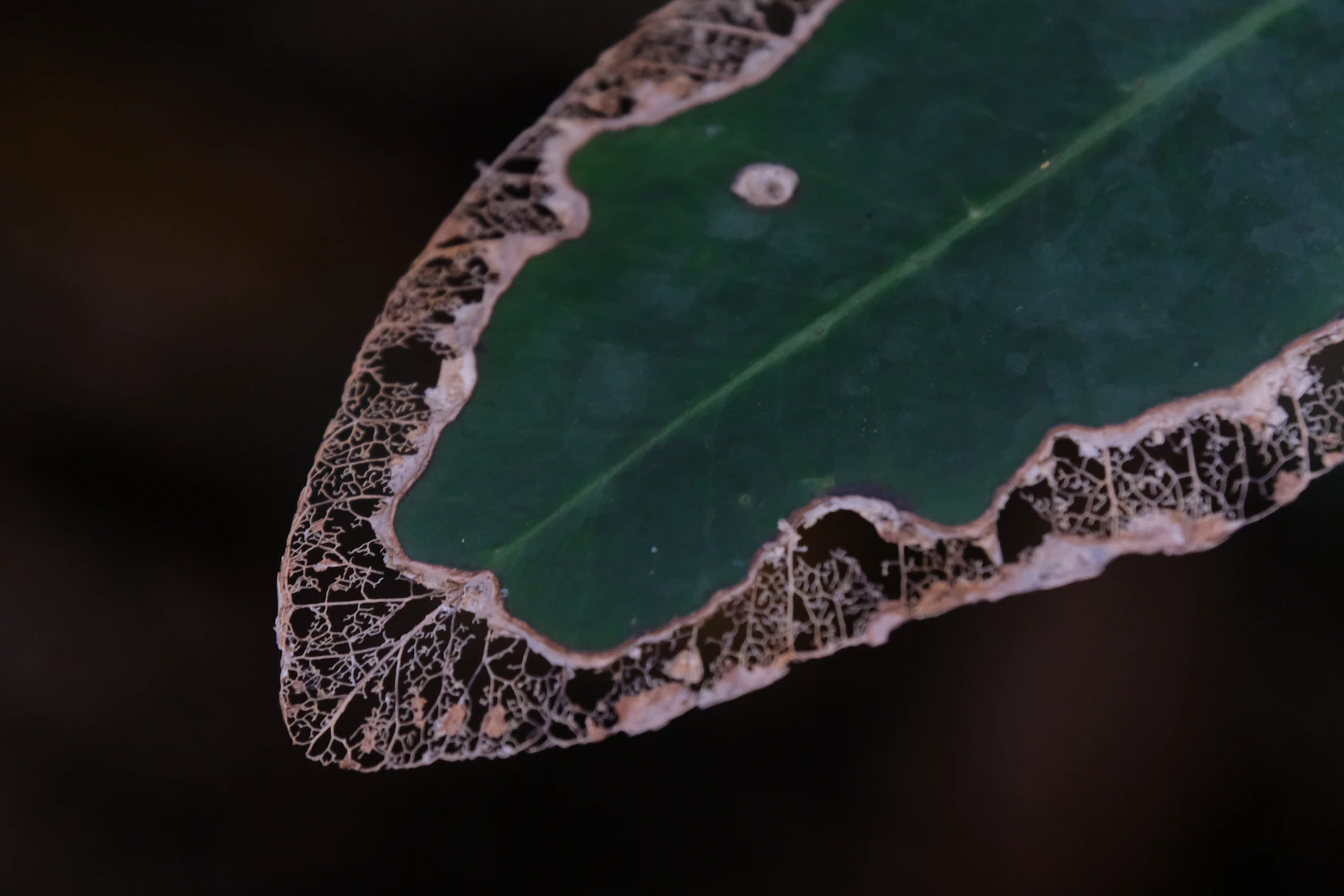
Plant leaves burn in sunlight when the intensity of UV rays exceeds the plant's ability to transpire, causing the leaf tissues to dry out and turn brown. During peak summer heatwaves in regions like India, the southern USA, and Australia, this condition—known as sunscorch—can damage even sun-loving species if they are not properly acclimated or hydrated.
Understanding why plant leaves are burning in sunlight is essential for maintaining a healthy garden in warming global climates. Whether you are dealing with a dry 'Loo' wind in Delhi or a record-breaking heatwave in Arizona, leaf burn symptoms often look like crispy brown edges or bleached patches on the foliage. This guide provides practical, global solutions to fix sunburnt plants and protect your garden from permanent heat damage.
Quick Guide to Fix Sunburnt Leaves
- Move sensitive pots to a location with filtered morning light
- Install a 50% density shade cloth to block intense UV rays
- Water deeply at the base early in the morning to hydrate cells
- Avoid getting water droplets on leaves during peak sun hours
- Use organic mulch to keep root temperatures stable
Step-by-Step Guide: How to Identify and Fix Leaf Burn
Follow these steps to diagnose why your plants are burning and how to help them recover:
- Check the Burn Pattern: If only the leaves facing the sun are turning brown or yellow, it is sunscorch. If all leaves are drooping, it might be underwatering.
- Create Temporary Shade: Use an umbrella or a piece of cardboard to block the sun during the hottest part of the day (12 PM to 4 PM). This stops the burning process immediately.
- Increase Humidity: Group your plants together. In hot, dry climates, grouping creates a micro-climate that reduces the rate of moisture loss from the leaves.
- Wait to Prune: Do not immediately cut off sunburnt leaves. They act as a temporary shield for the healthy green leaves underneath. Wait until new growth appears before pruning.
Best Conditions to Prevent Sun Damage Globally
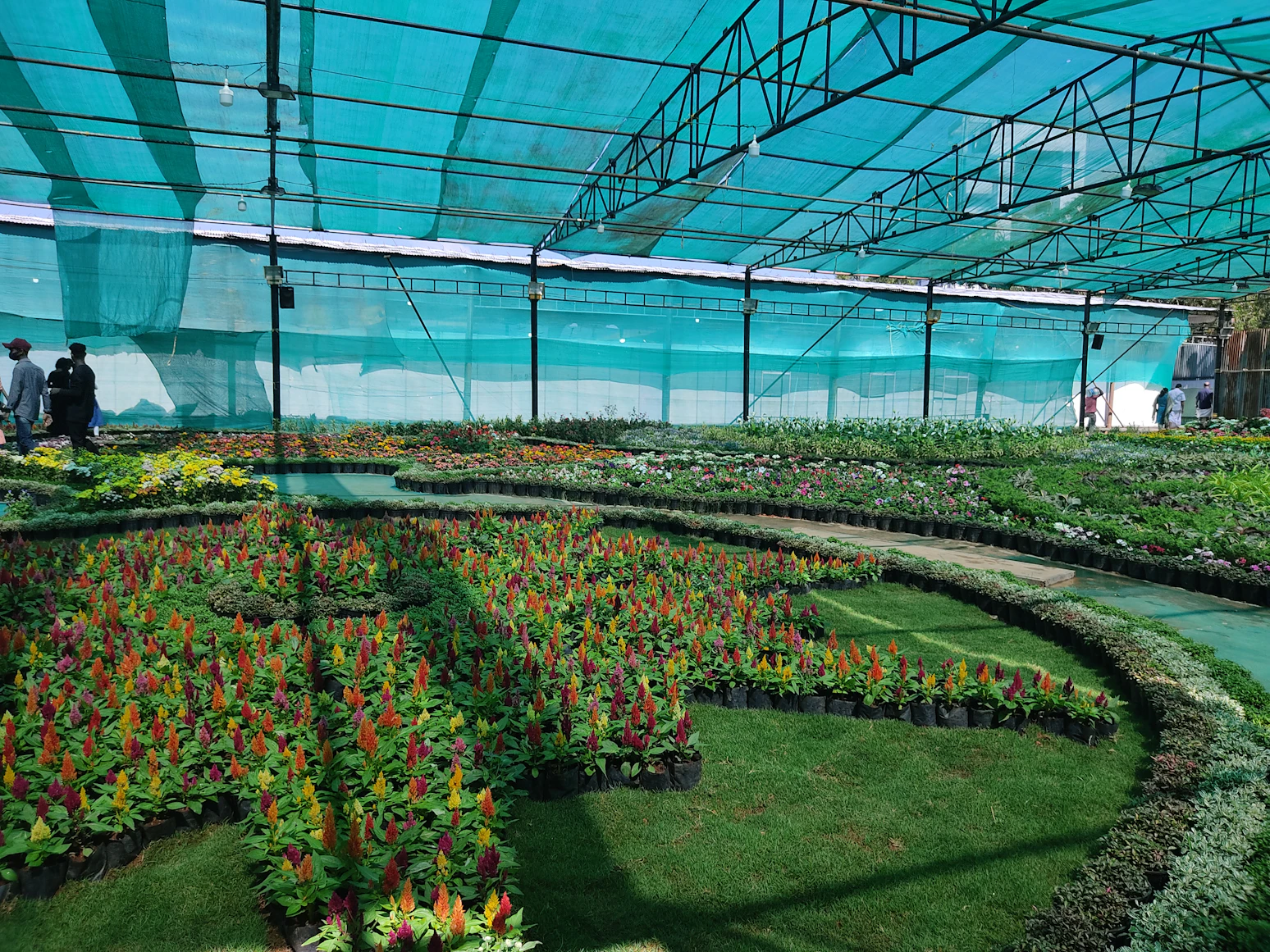
To prevent plant leaves from burning in the sun, you must optimize these environmental factors:
- Acclimatization: Never move a plant directly from a dark room to full sun. Gradually increase its sun exposure over 7–10 days to help it build a 'sun tan.'
- Hydration Strategy: A well-hydrated plant can cool itself through transpiration. Use a drip irrigation system to ensure roots never go bone-dry during a heatwave.
- Protect from Wind: Hot winds accelerate leaf burn. Learn how to protect plants from hot winds to stop the 'hairdryer effect' on your foliage.
- Soil Cooling: Use clay pots instead of dark plastic, as clay allows the soil to breathe and keeps the roots much cooler in 40°C+ temperatures.
Common Mistakes in Summer Plant Care
Avoid these errors to keep your home garden safe during global summer peaks:
- The Magnifying Glass Effect: Watering the leaves (overhead watering) at noon can cause water droplets to act like lenses, intensifying the sun and burning holes in the foliage.
- Heavy Summer Fertilizing: Never apply chemical fertilizers to a heat-stressed plant. The salts can pull moisture out of the roots, making the burn worse.
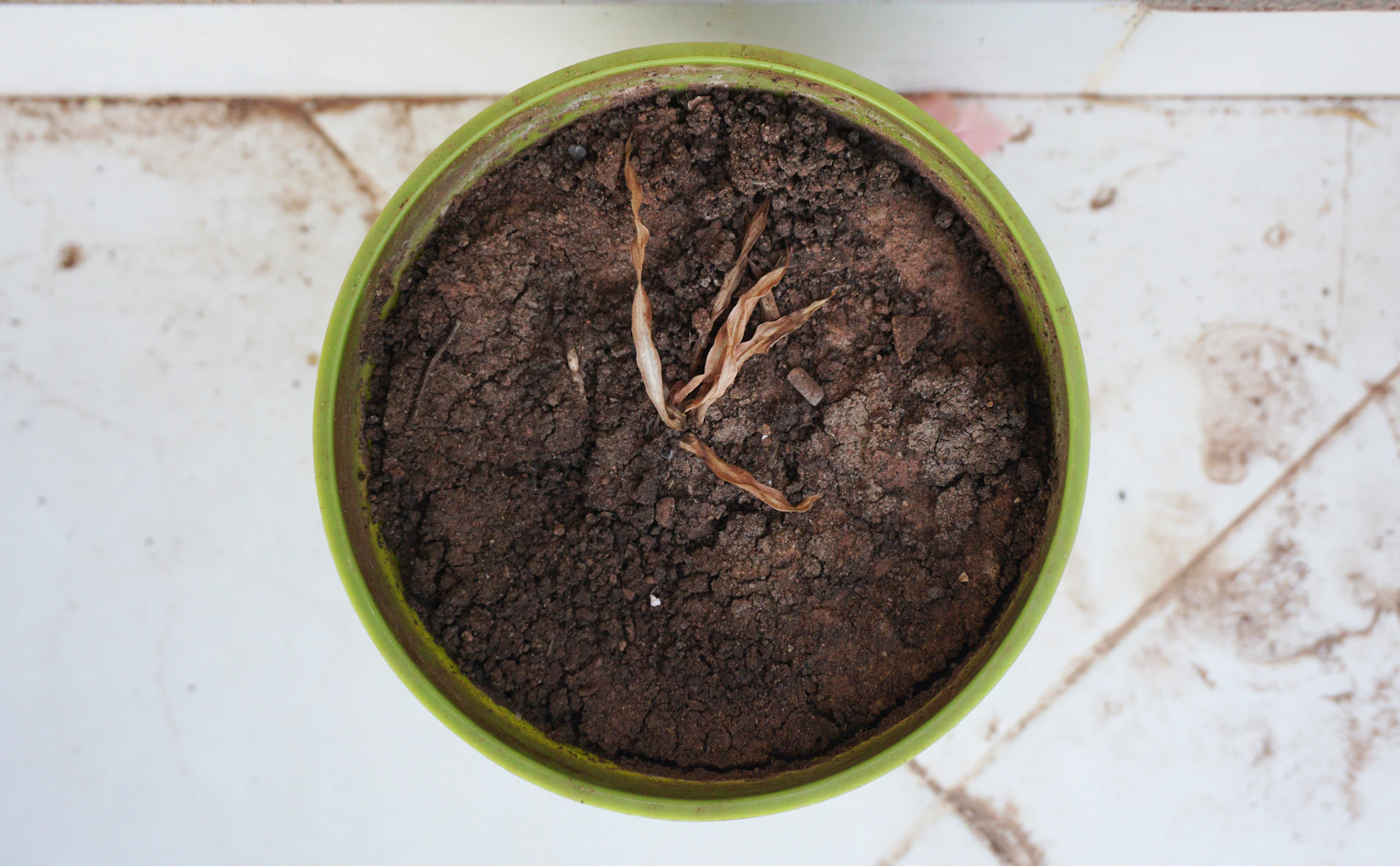
- Ignoring Pot Temperature: If the pot itself is hot to the touch, the roots inside are cooking. Wrap pots in light-colored cloth or burlap to reflect heat.
Tips for Helping Plants Recover Faster
- Seaweed Fertilizer: Once the weather cools, use a diluted seaweed extract. It contains hormones that help plants recover from abiotic stress like sunscorch.
- Use Epsom Salt: A spray of 1 teaspoon Epsom salt in 1 liter of water can help strengthen the plant's cell walls against future heat.
- Mist Early: Misting the area around the plants (not the leaves themselves in direct sun) can lower the ambient temperature by 2–5 degrees.
Frequently Asked Questions
Can sunburnt plant leaves turn green again?
Answer: No, once a leaf tissue is brown and crispy from the sun, it cannot turn green again. You should focus on protecting the new growth that will eventually replace the burnt leaves.
Should I cut off sunburnt leaves?
Answer: You should not cut them off immediately. Sunburnt leaves provide shade for the inner parts of the plant. Only prune them once the heatwave has passed and the plant is producing new, healthy leaves.
How to tell the difference between overwatering and sunscorch?
Answer: Sunscorch usually appears as crispy brown edges or white patches on the leaves most exposed to the sun. Overwatering usually causes leaves to turn soft, mushy, and yellow across the entire plant.
Q. What is the best way to cool down outdoor plants?
Answer: The best way to cool down plants is to provide shade using a 50% green net and ensuring deep watering at sunrise so the plant has enough internal moisture to stay cool via transpiration.
Summary: Beating the Global Heatwave
Mastering **how to fix sunburnt plants** is vital as global summers become more intense. By using **shade nets**, **mulching**, and **morning watering**, you can protect your garden in India, the USA, or anywhere in the world. If you're seeing other issues like yellowing, refer to our yellow leaves guide. Don't let the sun win—start heat-proofing your garden today! For more tips on rapid recovery, see our natural growth guide.
Share this Update
Related Guides

8 Biggest Beginner Mistakes in Indoor Gardening (And How to Fix Them)
Stop killing your plants! Discover the 8 most common beginner mistakes in indoor gardening and the simple fixes to keep your green sanctuary alive and thriving.
Pre-Monsoon Checklist: 5 Things Every Indian Gardener Must Do in May
Don't let the rains ruin your hard work! Follow our 2026 pre-monsoon checklist for Indian gardeners to prepare your balcony and backyard for the heavy May and June showers.

DIY Organic Pesticide: How to Get Rid of Mealybugs and Aphids Forever
Stop pests from destroying your garden! This DIY organic pesticide guide shows you how to kill mealybugs and aphids naturally without harsh chemicals.